Dates travelled: August 24-26, 2018
I first heard of Fogo Island when I was zooming in on google maps in and around Newfoundland. I wanted both to see a few versions of Newfoundland on my upcoming trip, and like the idea of visiting small islands off the coast of bigger islands – ones you need to ferry to – and this was the first one I noticed on the map. It ended up being one of my favourite places on the trip.
Around the 1960s, lots of communities in Newfoundland were relocated because the government wanted service allocation to be easier (among other reasons, I imagine). These relocations made it difficult for other small communities to sustain themselves. Resettlement happens to this day, but now it must be voluntary.
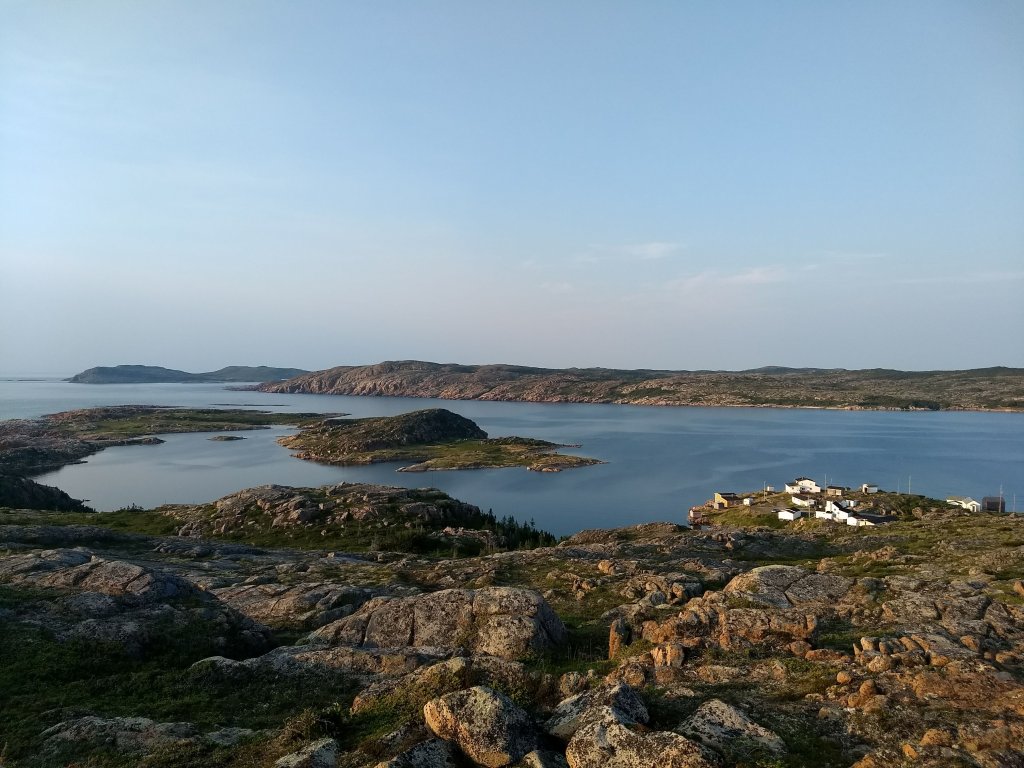
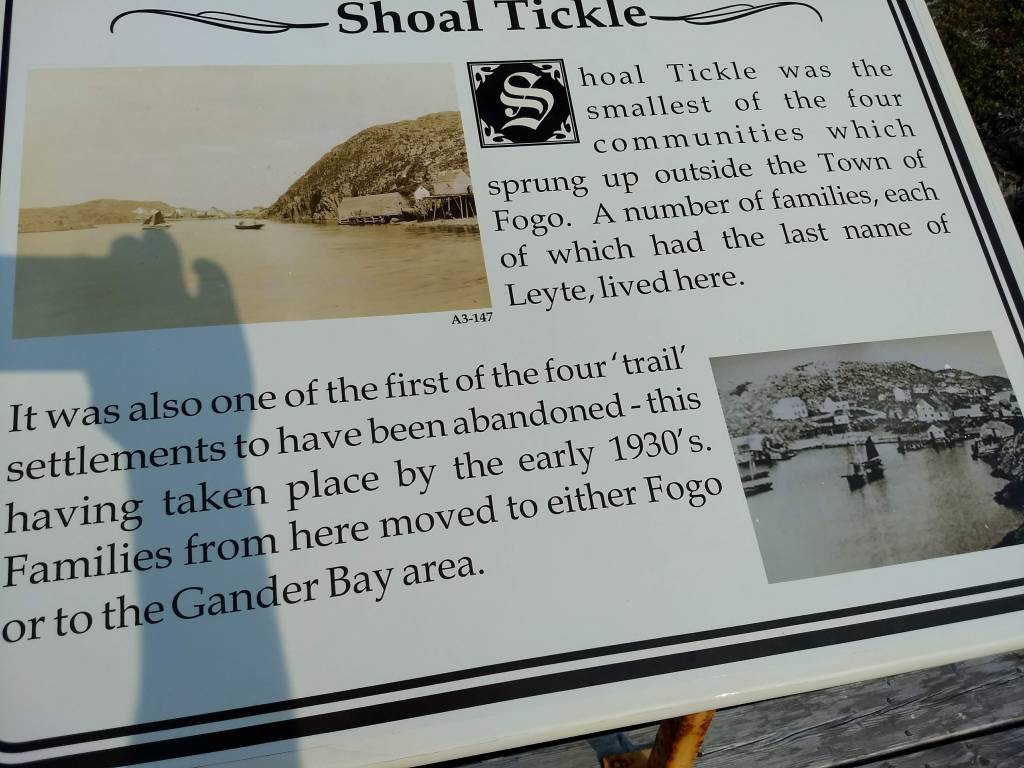
One of the results of resettlement has been ghost towns. The description of one of our hikes mentioned going through an abandoned community, and I was expecting to see buildings, but there wasn’t anything except green space now and a plaque. I wonder how many of the hundres of abandoned communities in the province look more like what I imagine: half-dilapidated buildings, roads that mysteriously end and are unmaintained, strewn garbage.
One of the reasons why Fogo has been able to survive when it was looking dire for awhile is because someone who is now extremely rich grew up there. She has invested heavily in it recently as a playground for the wealthy and aristocratic arts crowd (I’m not sure how large this crowd is, but it would appear that they have money to spend). A stay at the Fogo Island Inn is well over two grand a night.
The Inn is one of the sponsors of an arts residency program. The residency has a handful of sleek uniquely designed studios sprinkled across remote spots of the Island – the sort of thing you might seen in an architecture book. We stumbled upon the one that has probably the most humble exterior of them all before knowing about it, confused what this small building was doing next to a hiking path 1.5 km from the road.
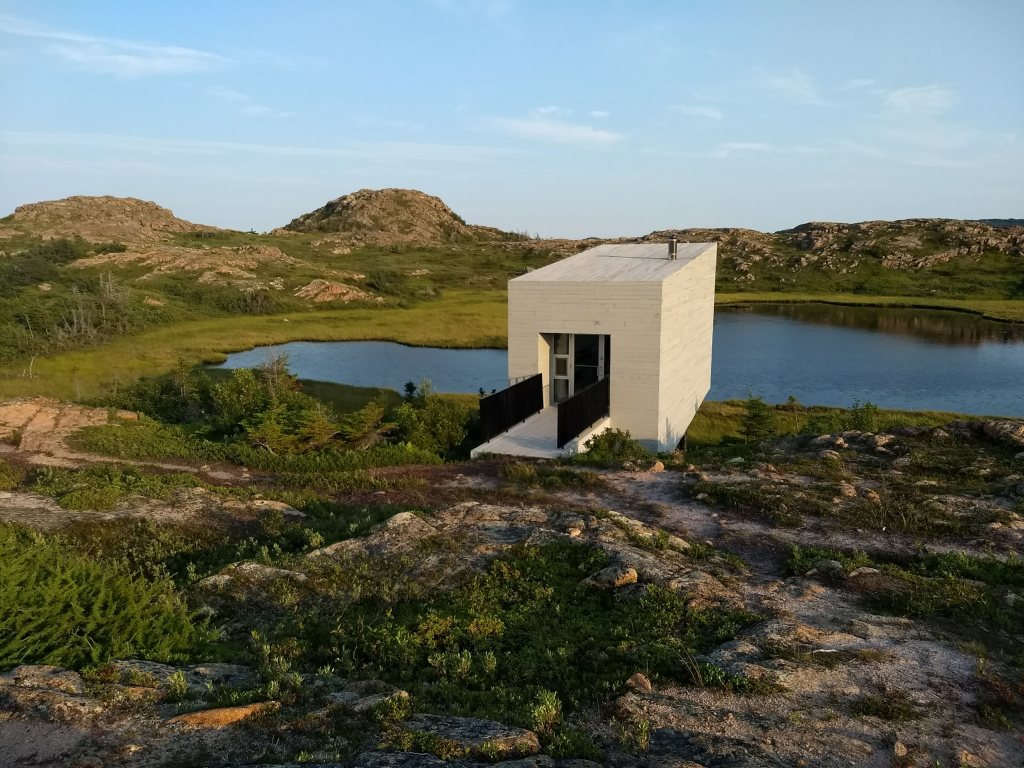
The artists who are selected to stay at these locations are well taken care of (money, car, public events) and come from all over the world. I heard they skew European more than Canadian for the artists they accept. I think it would be an amazing place to spend a few months working on projects and hiking around, spending lonely time at an old slot machine at one of the dingy bars that have remained over the decades.

Like so many places in the world, Fogo Island has a tension between rich and poor, with most of the rich in this case being from tourism from international elites. Places like the Inn are off the main roads – you have to call the shuttle to take you there from a parking lot a little walk away – but you can see trendy spots sprouting up. I’m not sure how people who have lived their whole lives on the Island feel about the place becoming trendy – maybe they like the new cafe with vegan options, or the ice cream novelty store off the side of the dusty road – but it’s enjoyable for people like me, and for the crowd of people who like to travel and hike and drink lattes but are staying at an airbnb rather than a comically expensive inn.
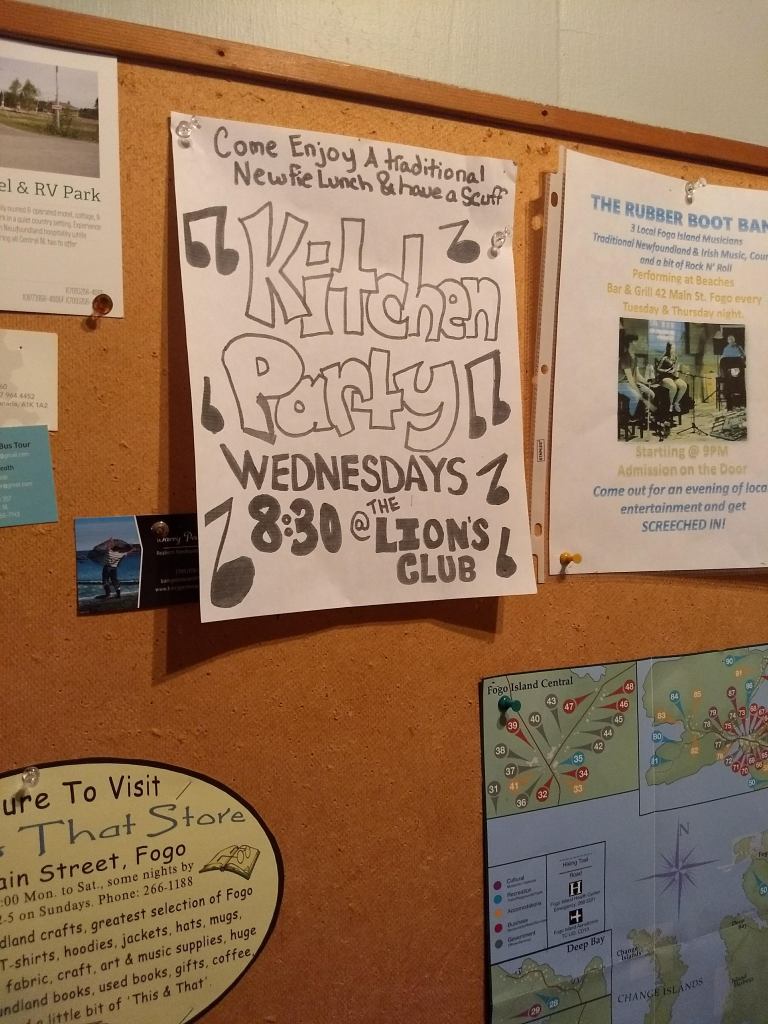
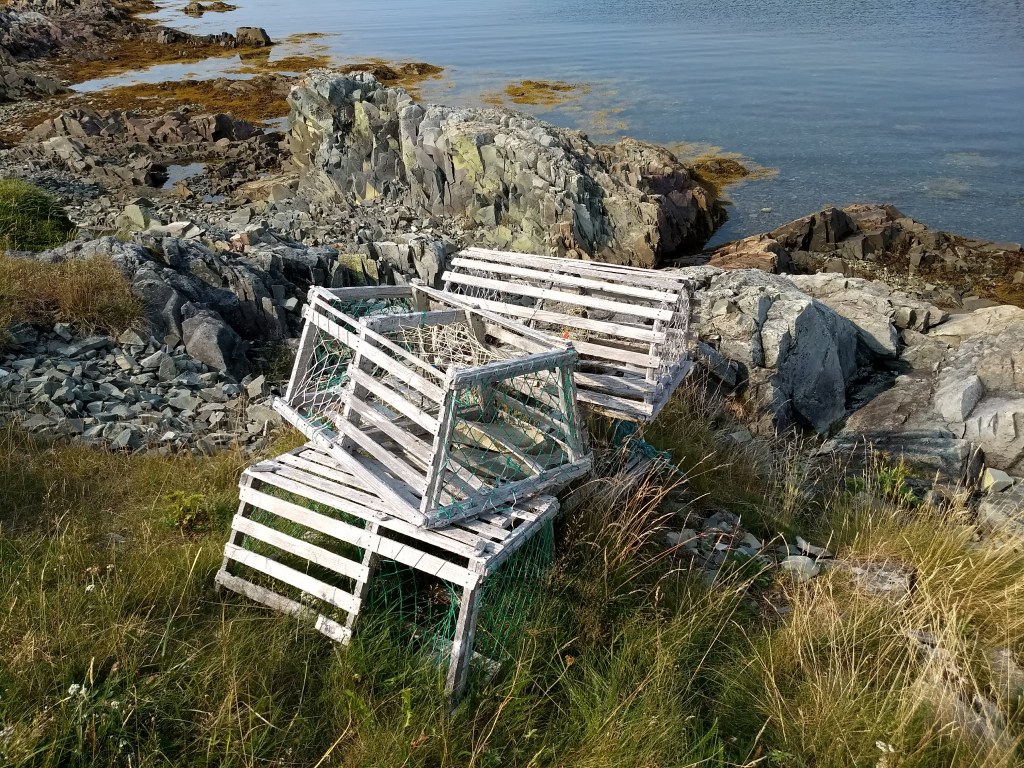
Historically there has been a lot of fishing on the Newfoundland coast, and there still is, but the industry has been failing from what I hear. I wonder how this community and others deal with a transition from that to arts and adventure tourism. If I spent my whole life there, good chance I’d be annoyed. But I do like how the lobster traps look…I wouldn’t mind re-purposing one for a shelf in my attic, for example.
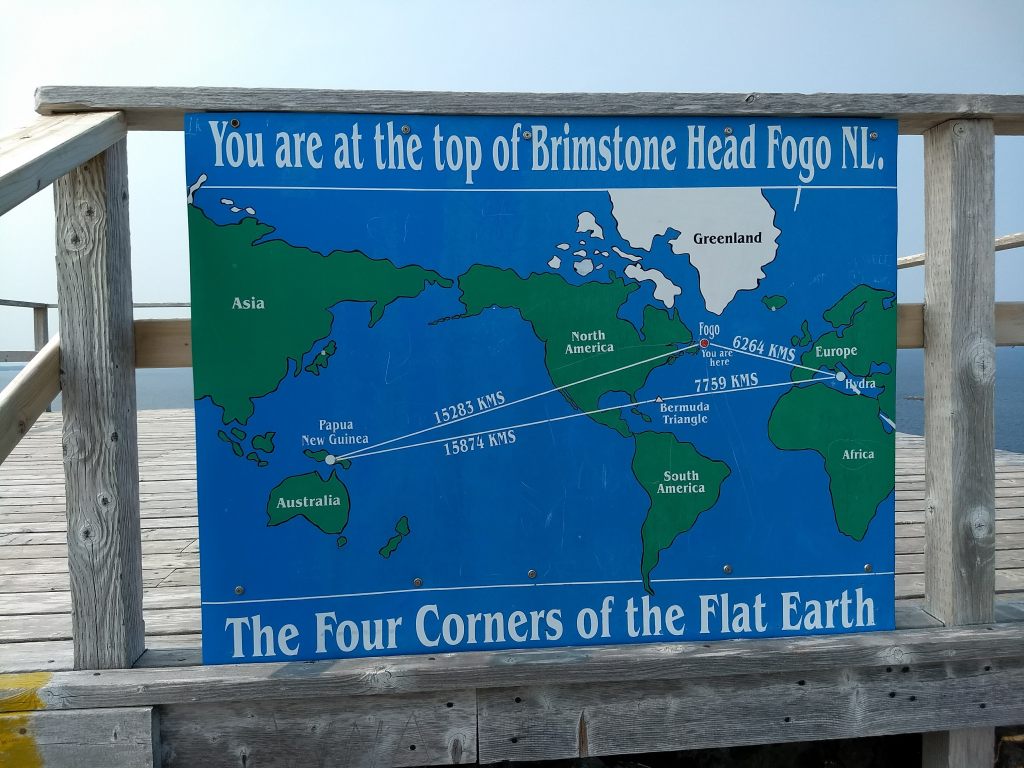
One of weirder things we found when looking up the island before we went there was that it’s one of the ‘four corners of the earth’. There exists a community of flat-earthers, and I guess this community heralds the top of a hill on Fogo as an important spot. I wonder how much tourism this generates, and I wonder what percentage of flat-earthers take the whole thing seriously.
There are very few places I’ve been that are remote enough that google maps doesn’t work perfectly. When we put in the address for the airbnb, it brought us to this woman’s house who was not an airbnb and was confused why recently various couples started knocking on her door thinking they were staying there. She wasn’t certain where our airbnb was, but she saw a sign for a new accommodation about 20 minutes up the road and guessed that might be it. She joked that she had an extra room and we could stay with her if need be, and I suggested she put it up if she wanted to make some extra money. I wonder if she ever did.
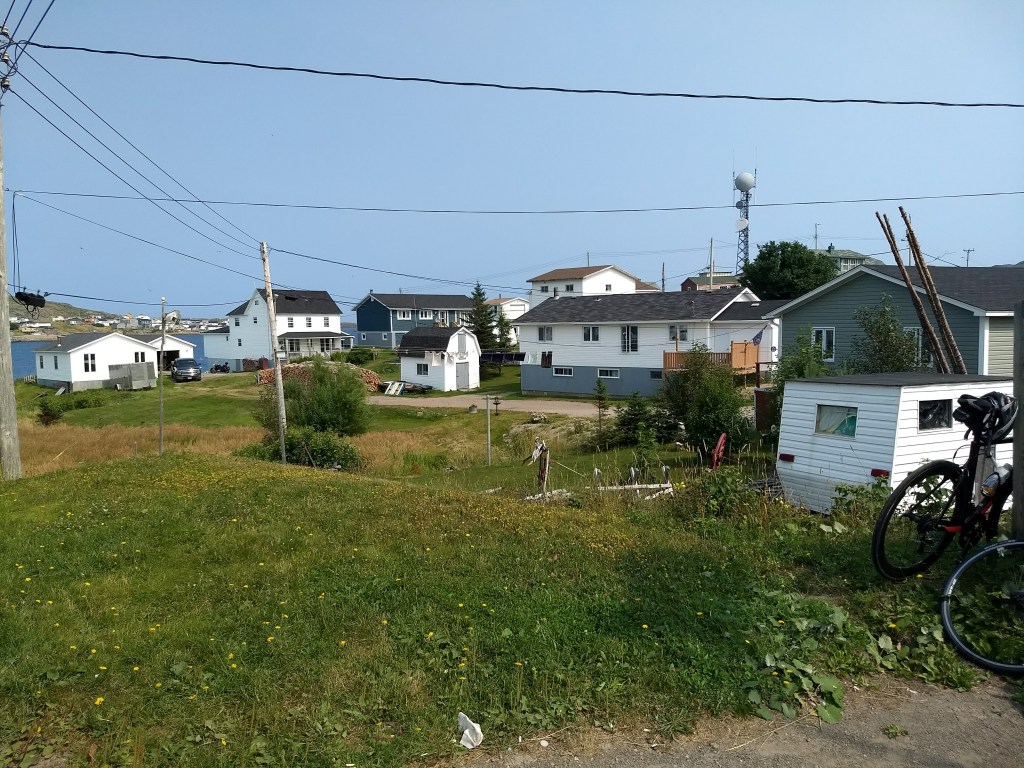
Our airbnb ended up being at an intersection of two of the main roads that linked a couple of the island communities. There was a bar that was mostly empty, and we tried having a drink on their patio but the bugs were too much to handle. They weren’t much better on our porch. Watching the occasional car speed by felt a bit like watching tv.
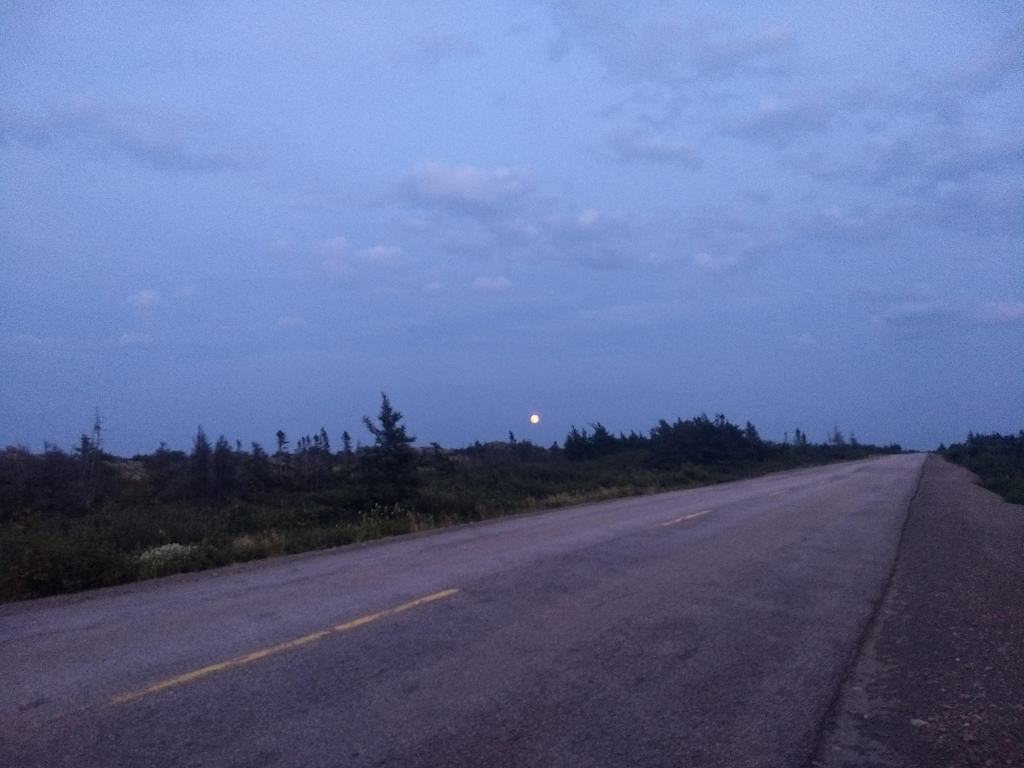
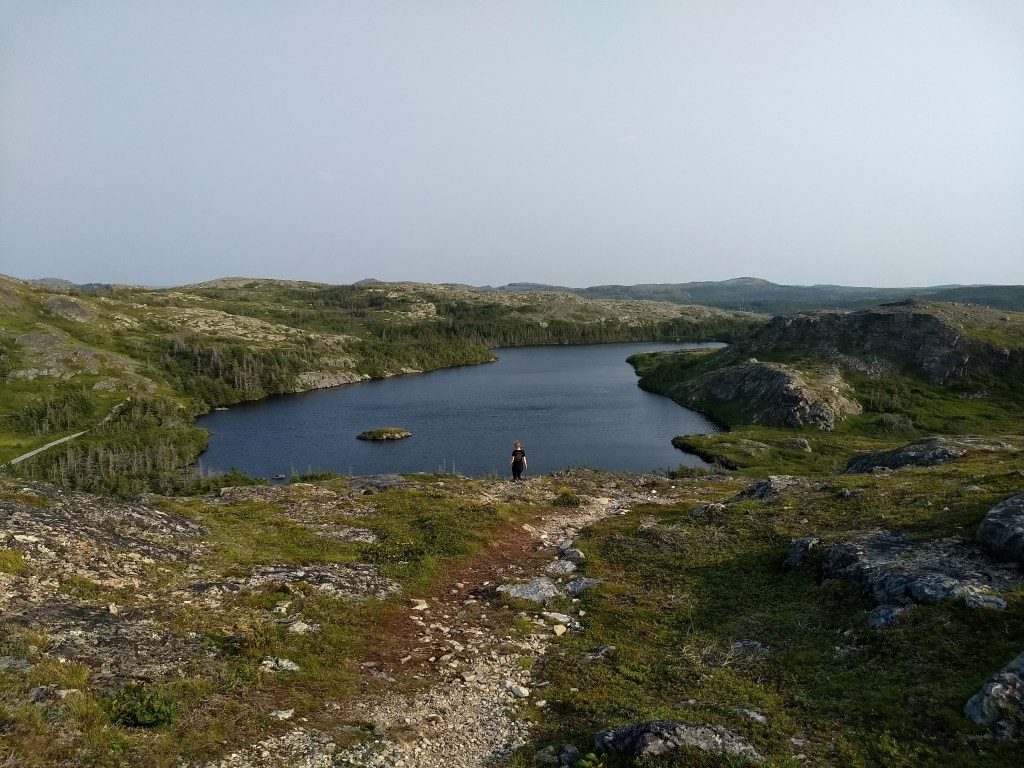
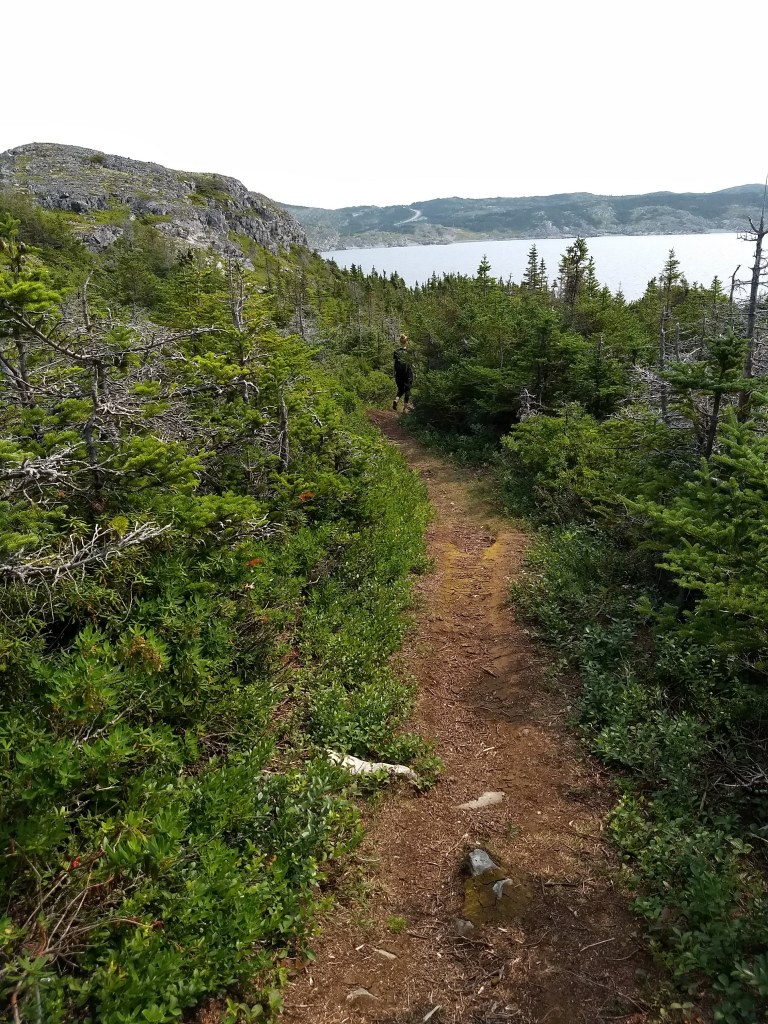
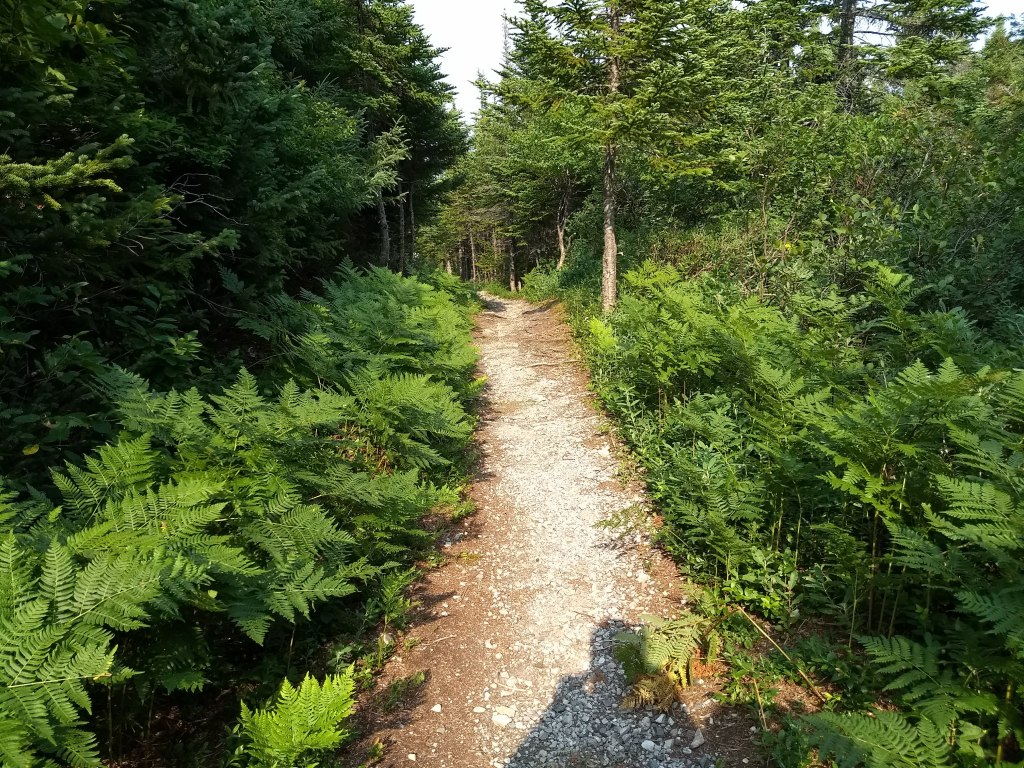
My favourite thing about the place was by far the hiking. On the same trail you could travel between lush greenery, to very rocky landscape that I saw a lot in Newfoundland, to walking up little mountains, to being on cliff faces overlooking the ocean. The trails weren’t busy, nor did they appear particularly well-traveled or well-marked, which gave me the feeling like I really was somewhere remote without feeling too uncomfortable.

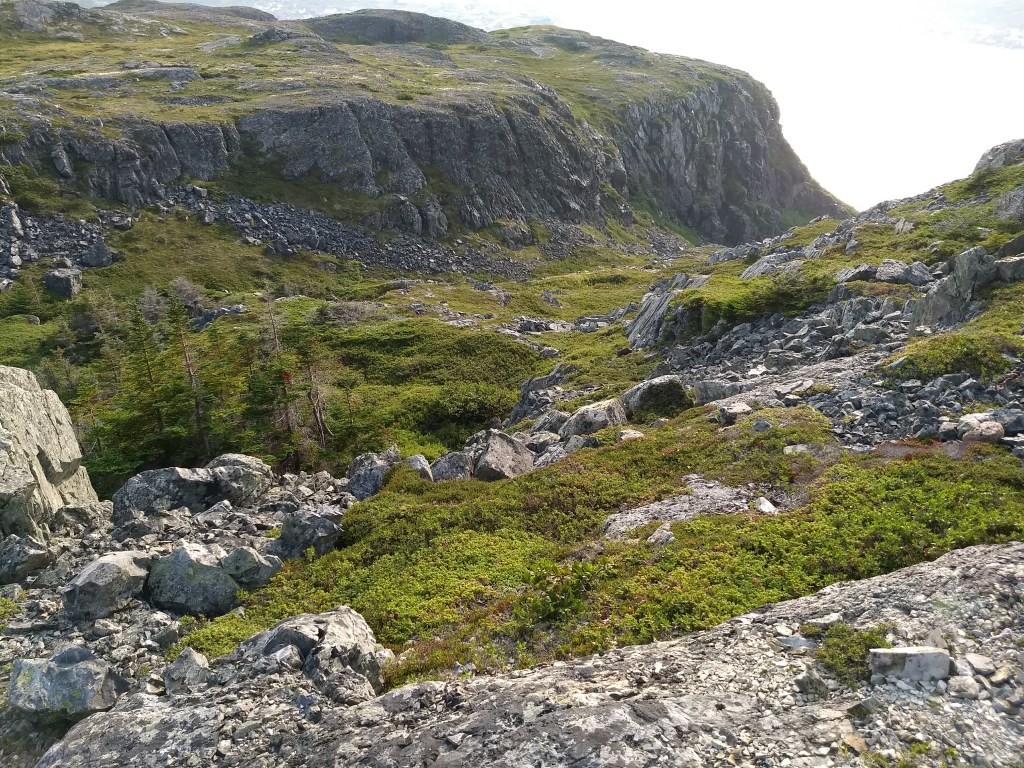
The landscape really felt like you were on the edge of a continent. On an island like that, it’s not hard to imagine that you’re on a series of hills, some underwater, then peaks above water forming another small island within view. Most of the world is underwater; it’s these spaces of immersion where you can see and reflect on how it all connects.
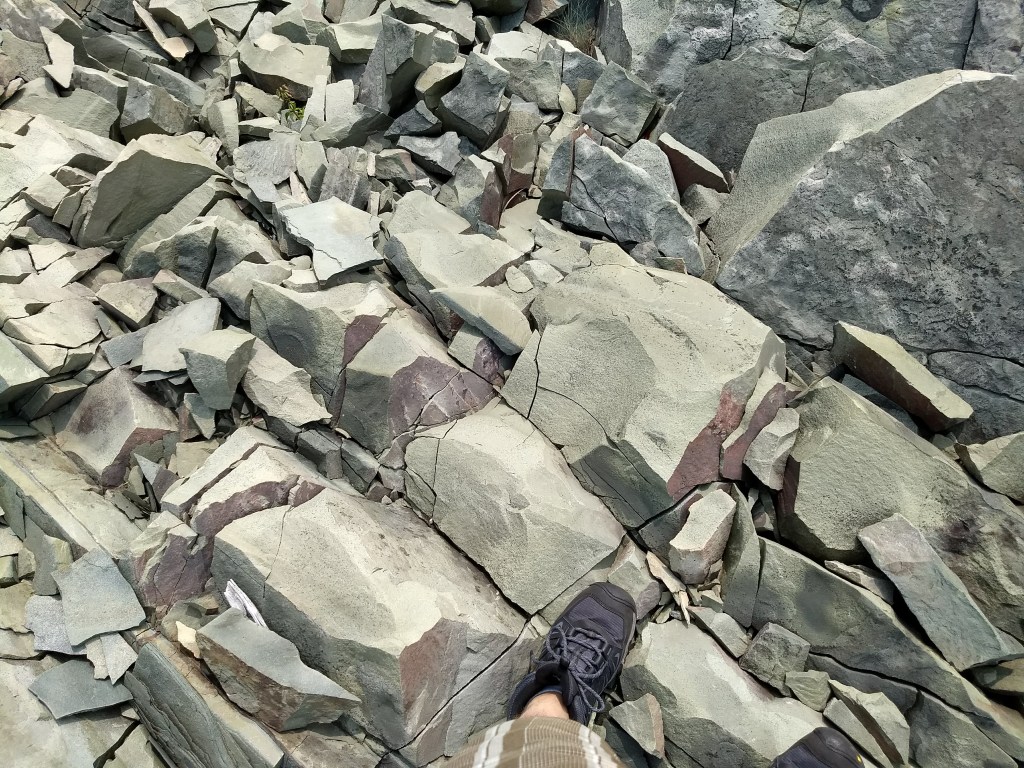
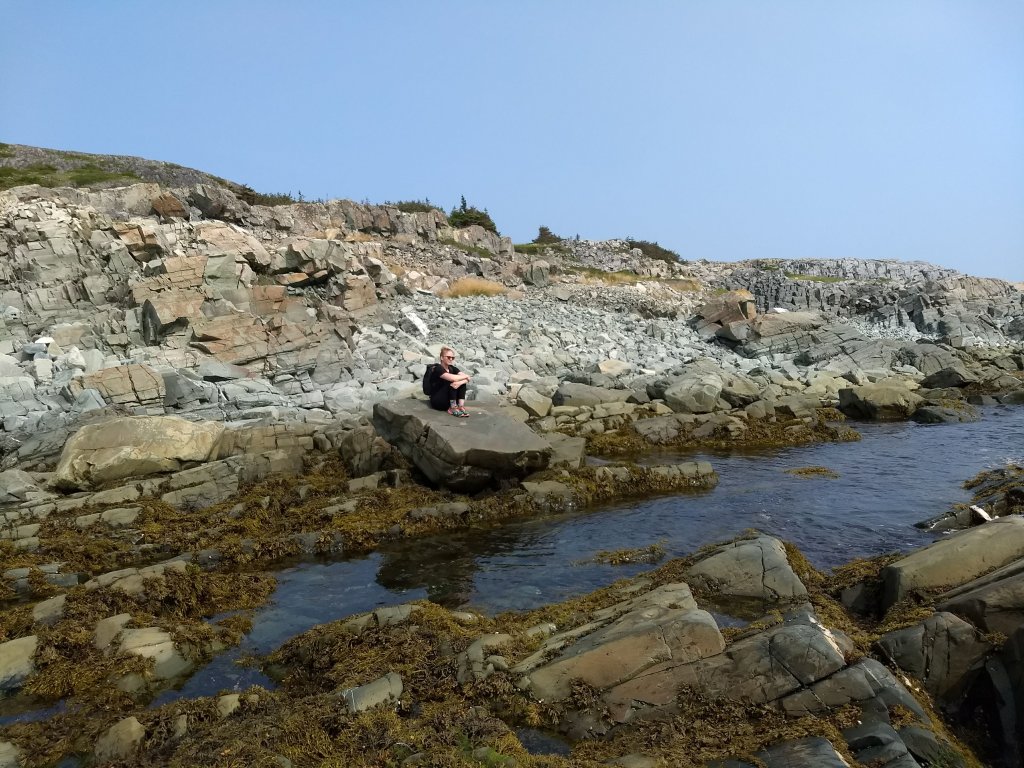
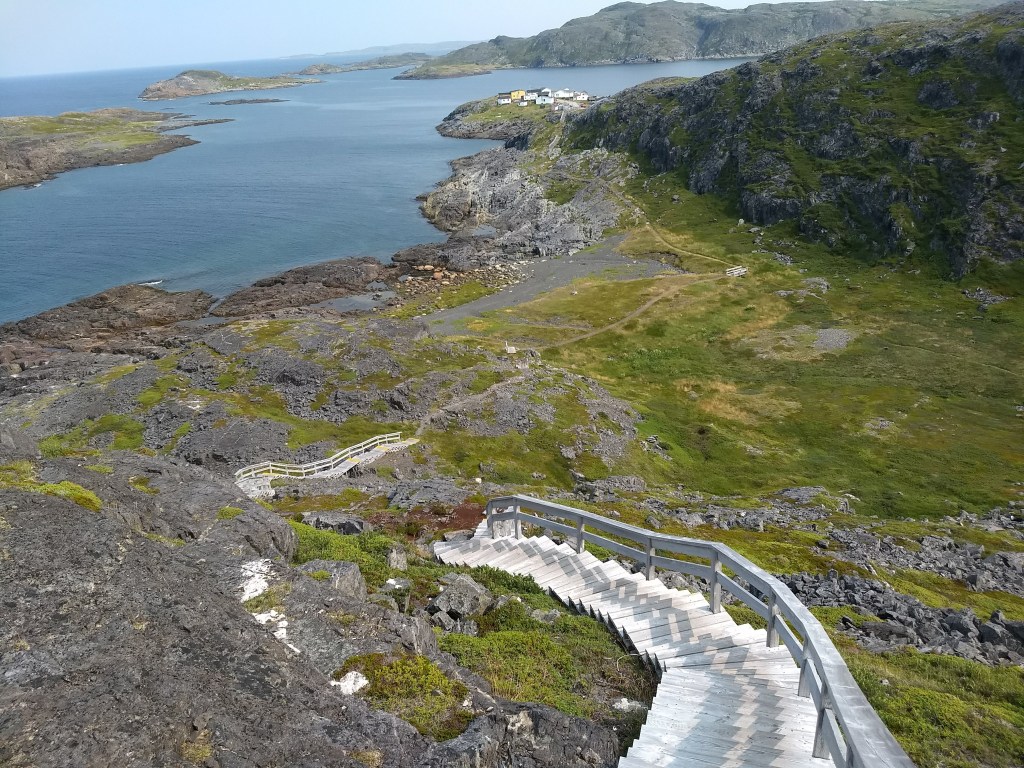
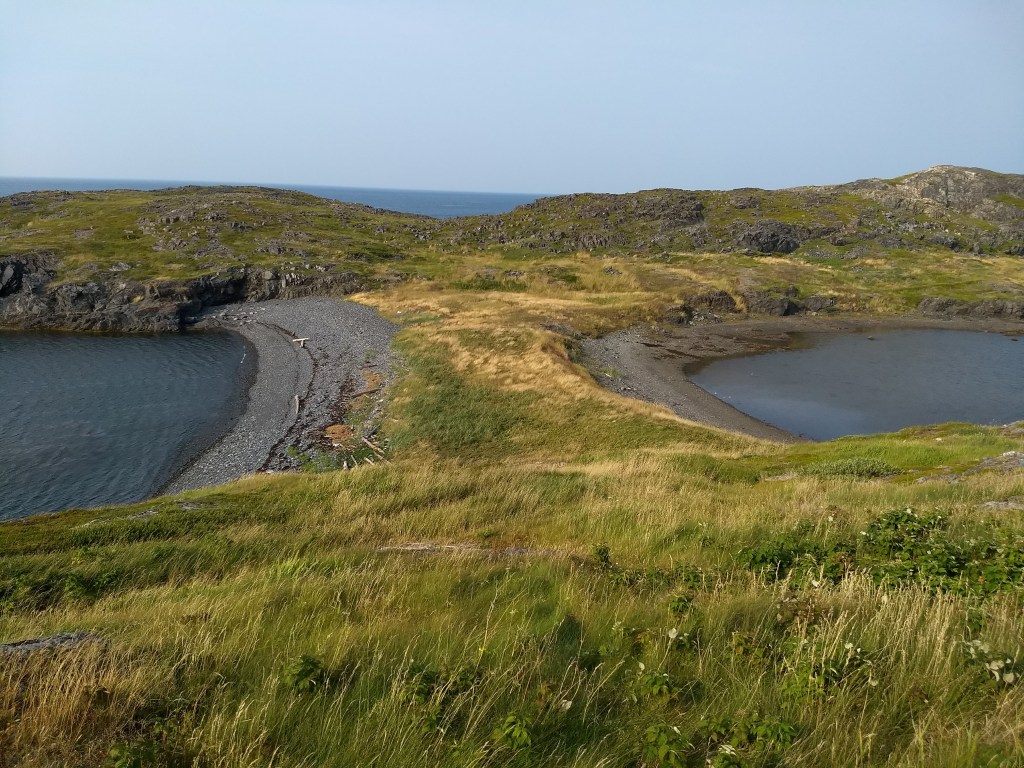
Fogo felt like it was within Newfoundland but perhaps with more of a hippie vibe. The landscape was similar, perhaps a bit more jagged than the big island, and it felt like we were going camping (though we weren’t actually). People harvested berries on their walks. I wonder what the other islands off the coast there are like and how they compare.
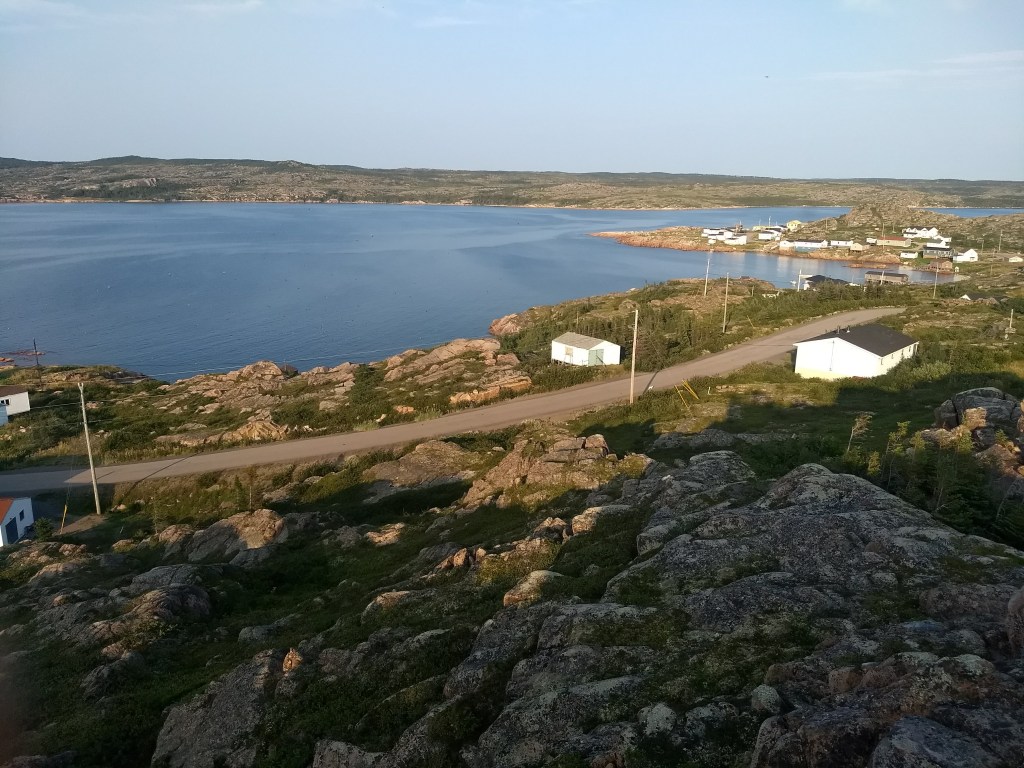
What I liked most about this place was it had a little bit of a lot of things while being relaxing. I fear that if/when I go back, it will have developed more to the point where it’ll no longer strike that balance. Places like these have a small window where they are ideal for what I’m looking for in a trip, and I felt like we lucked into one of those windows.
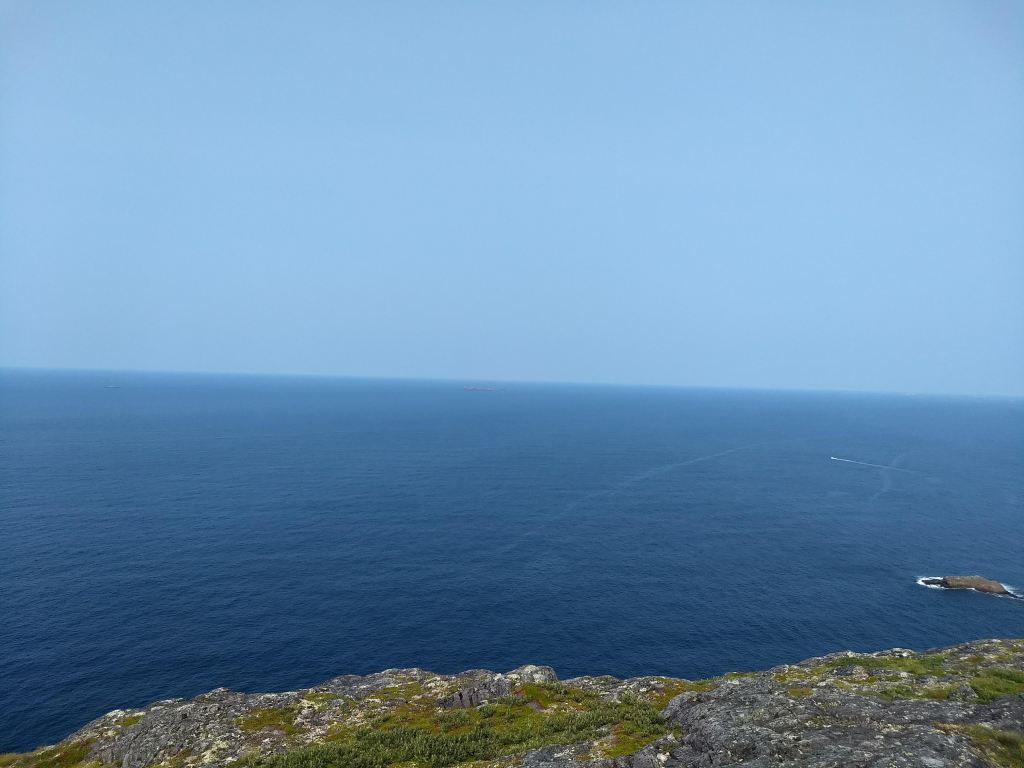
Going places like this, that you don’t know much, about is always a roll of the dice. When you hit, it’s that much more thrilling because you have so little expectation and can experience the moment more full, rather than drumming up all these expectations and lists on your phone heading into it.

 describing space