“Move. Get going. Blessed is he who leaves.”
― Olga Tokarczuk, Flights
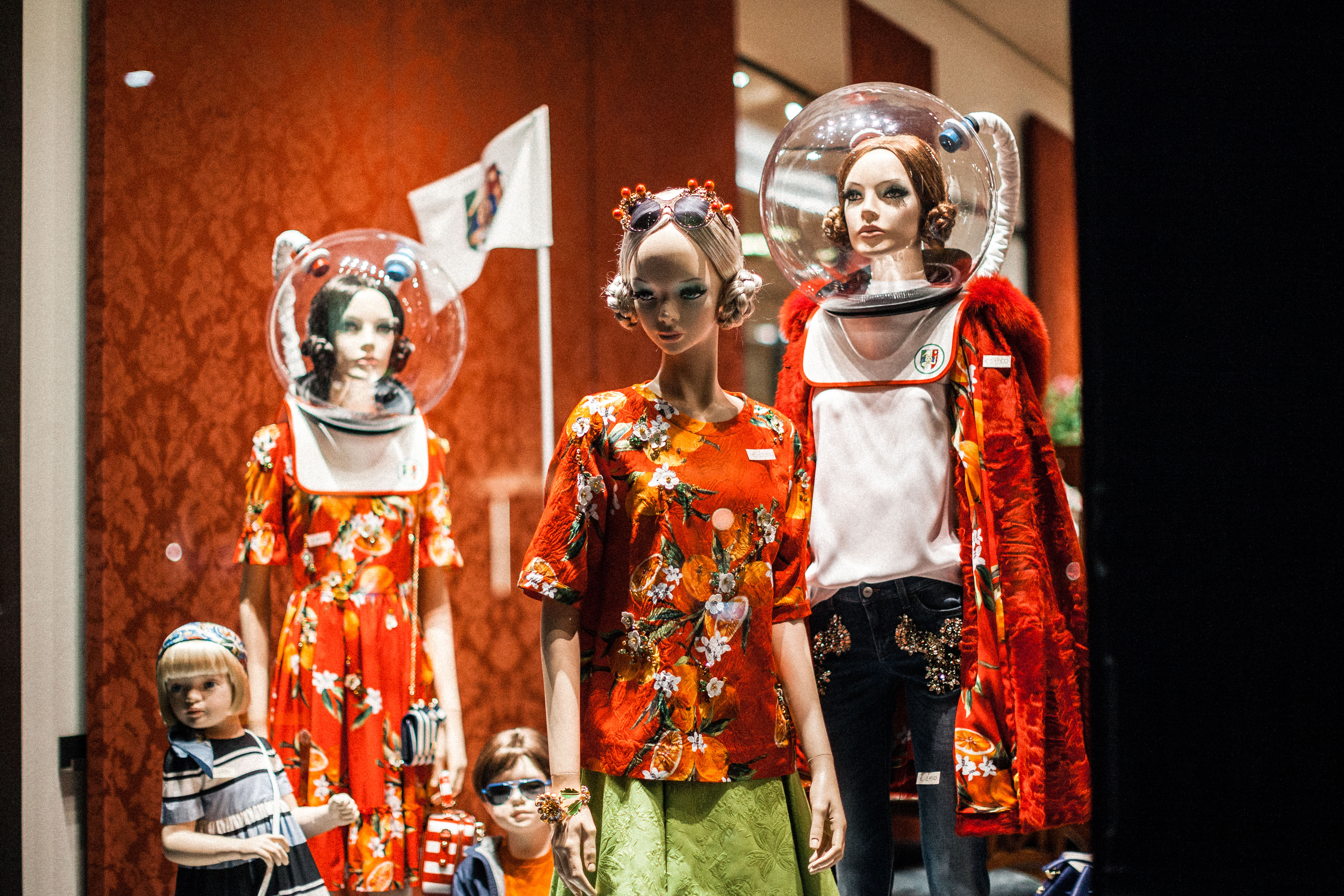
Travelling once consisted almost purely of the wealthy class. These wealthy people traveled in order to see ‘great buildings and works of art, learn new languages, experience new cultures, and… taste different cuisines’.
Back then, travelling consisted of months of planning, confusing currency exchanges and probable, bodily discomfort. Travelling abroad meant risk, unplanned adventures and the necessary transportation of actual, physical capital (money, coins, etc). Methods of travel consisted of being on foot, on horse or on ships. Often these methods of travelling took months as feet got tired, carriages broke and ships sunk or got loss. Likewise, guides were once not only recommended but wholly necessary. Pre-steam engine travel was unquestionably slow and arduous. Languages were also truly foreign and exotic. Blessedly unknown, the sheer quantity of these these foreign languages meant verbal communication often became no more than a series of connected sounds and expressions more akin to music than human conversation.

Architecture, was discovered and experienced, not with pre-planned intent but with unexpected grace. Ruins gently emerged from unexplored forests and the rambling foreigner chanced upon them with a true sense of awe and wonder. Or so the myth and story goes…
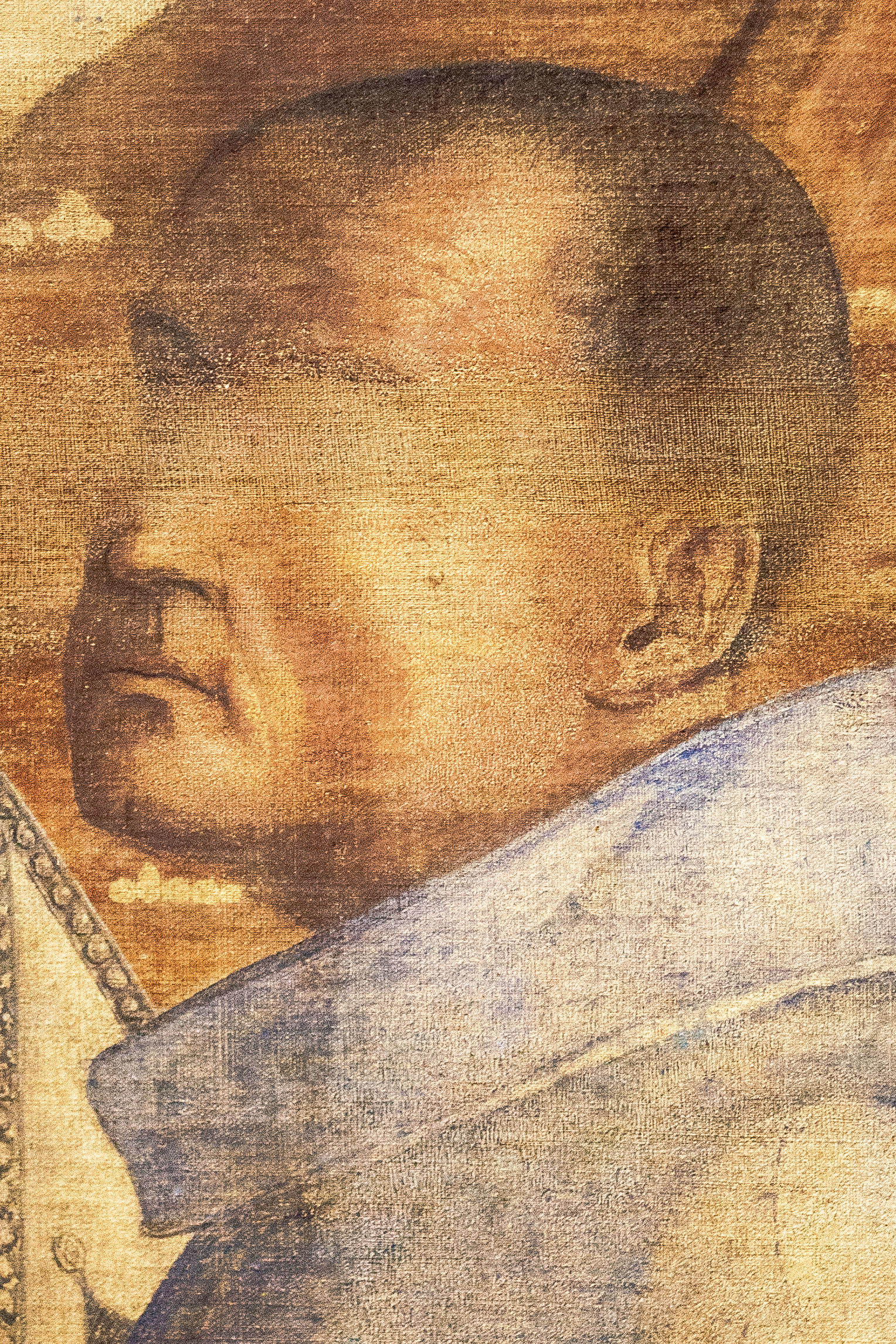
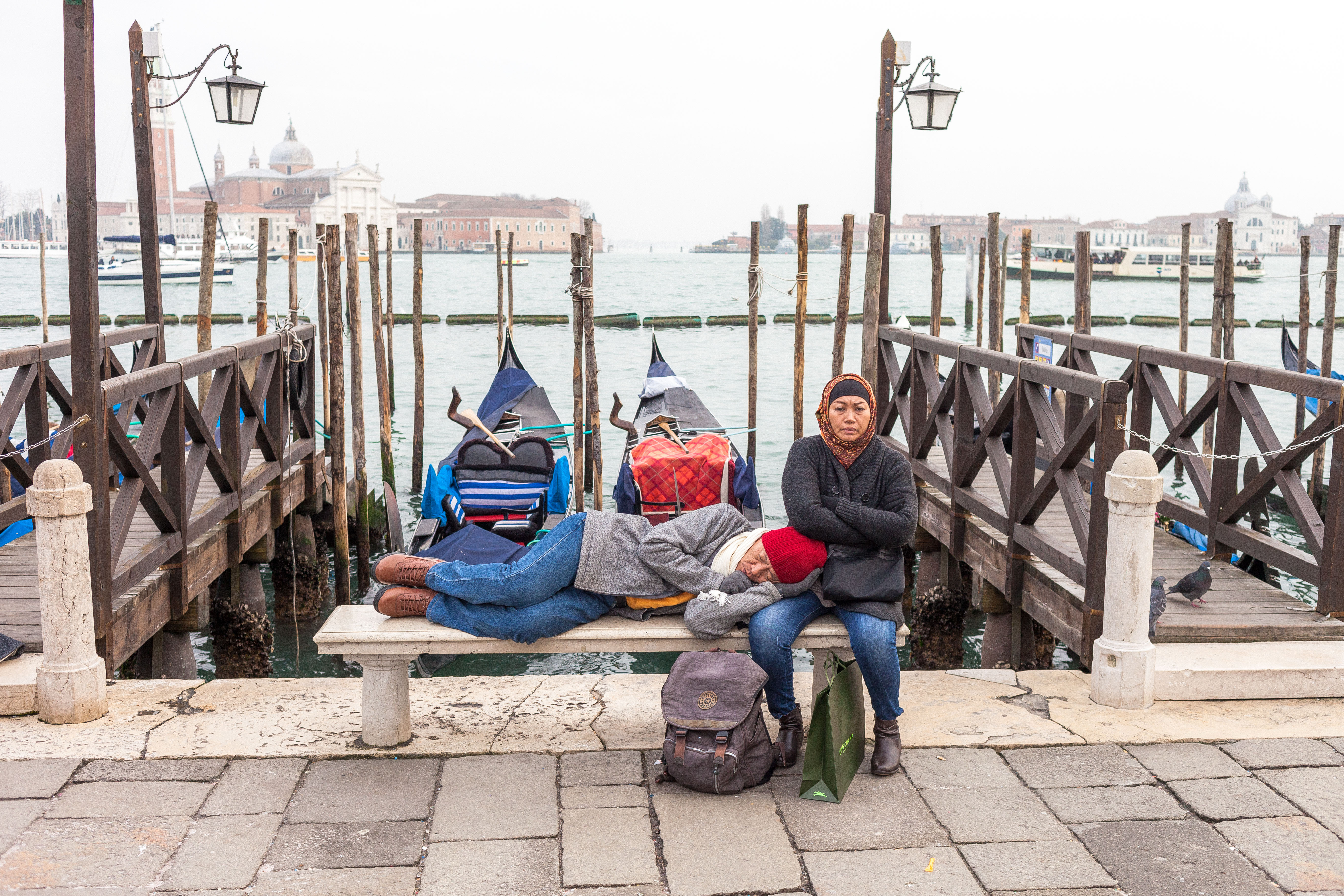
When’s the last time any of us experienced this while travelling?
Does this version of travelling still exist and when did it seem to disappear?
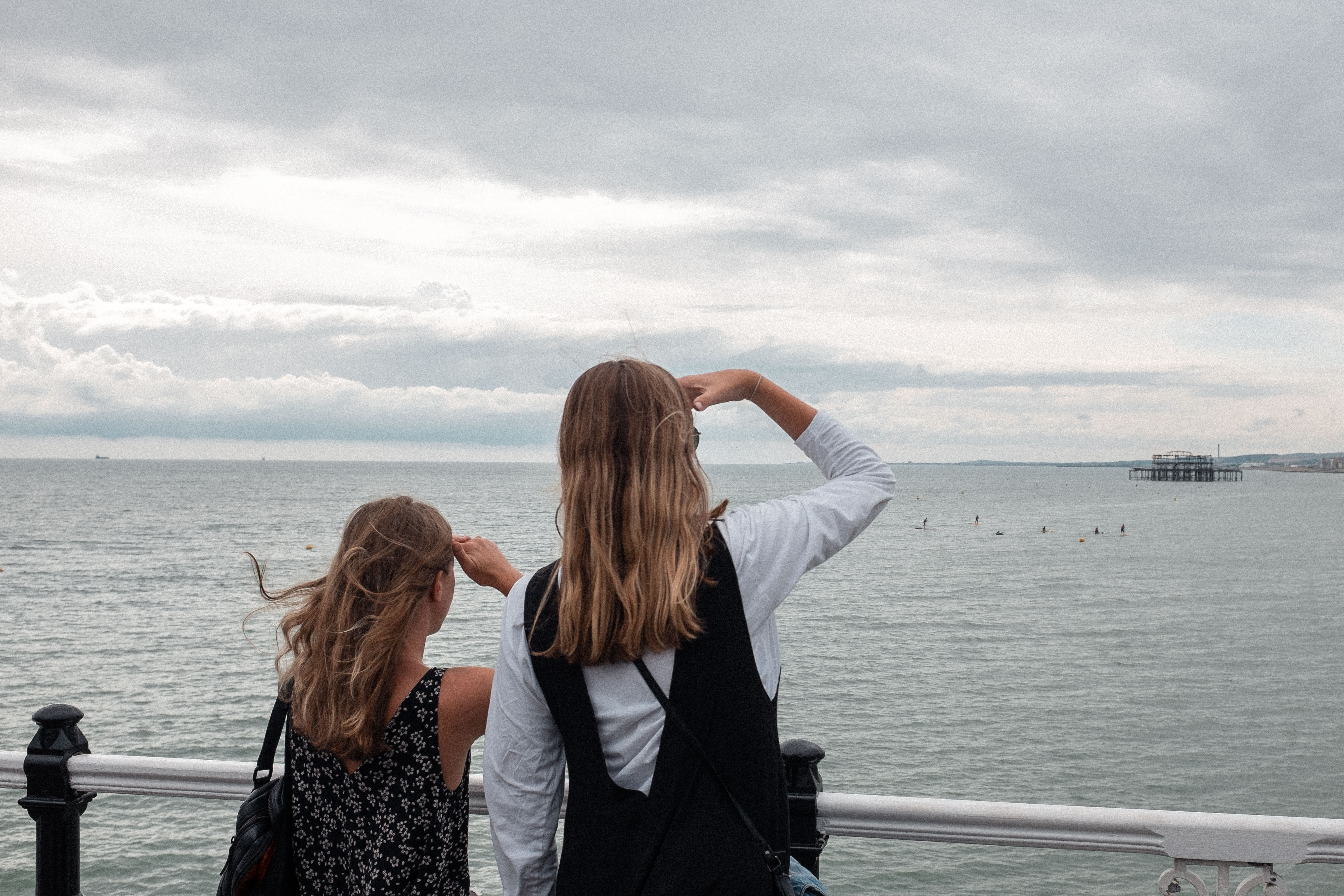

When’s the last time we let chance play a role in the hard, worked for ‘experience’ that is vacation. With Culture trip and TripAdvisor, Google maps and Google translate, ‘Must See’ things are checked off the list in advance, planned accordingly and experienced in a timely manner. Why risk asking a friend for dinner advice in Paris, when thousands of other people have taken care of the time and place ‘The National Dish’ is to be purchased. Flights can be booked online and on impulse without any human interaction and a simple credit card will do in 90% of the the countries we can now visit. Travelling has obviously changed but does anyone else feel like they’ve given up the ‘true’ experience for the safe bet?
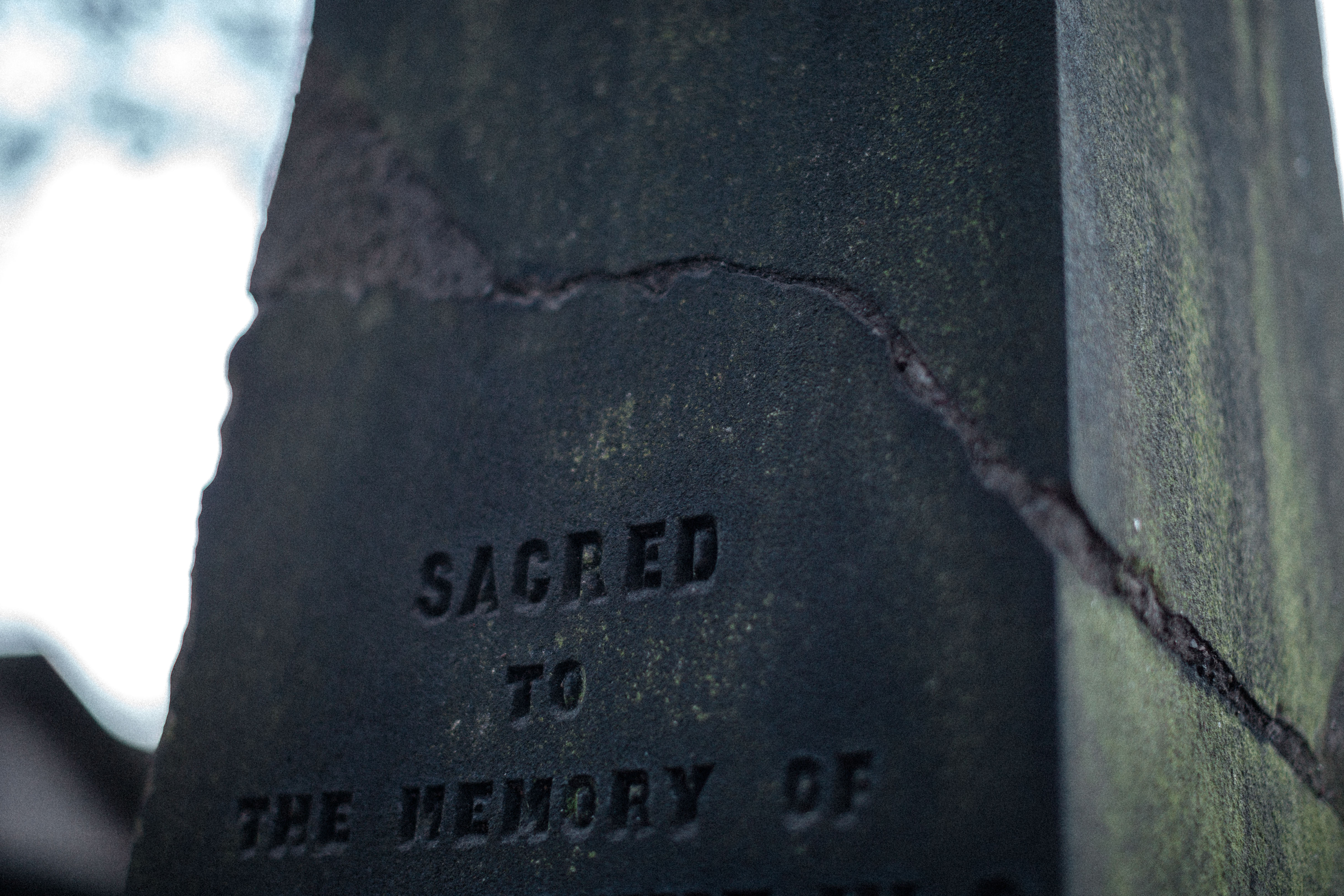
I use to believe that travelling consisted of some sort of Utopian ideal. I sincerely believed that within its narrow alleyways the Venice of yore could still be found, if only one looked hard enough in the right time and place. The truth is, the Venice of literature doesn’t exist and possibly never did. At least not the way it’s described in books or painted in the views.
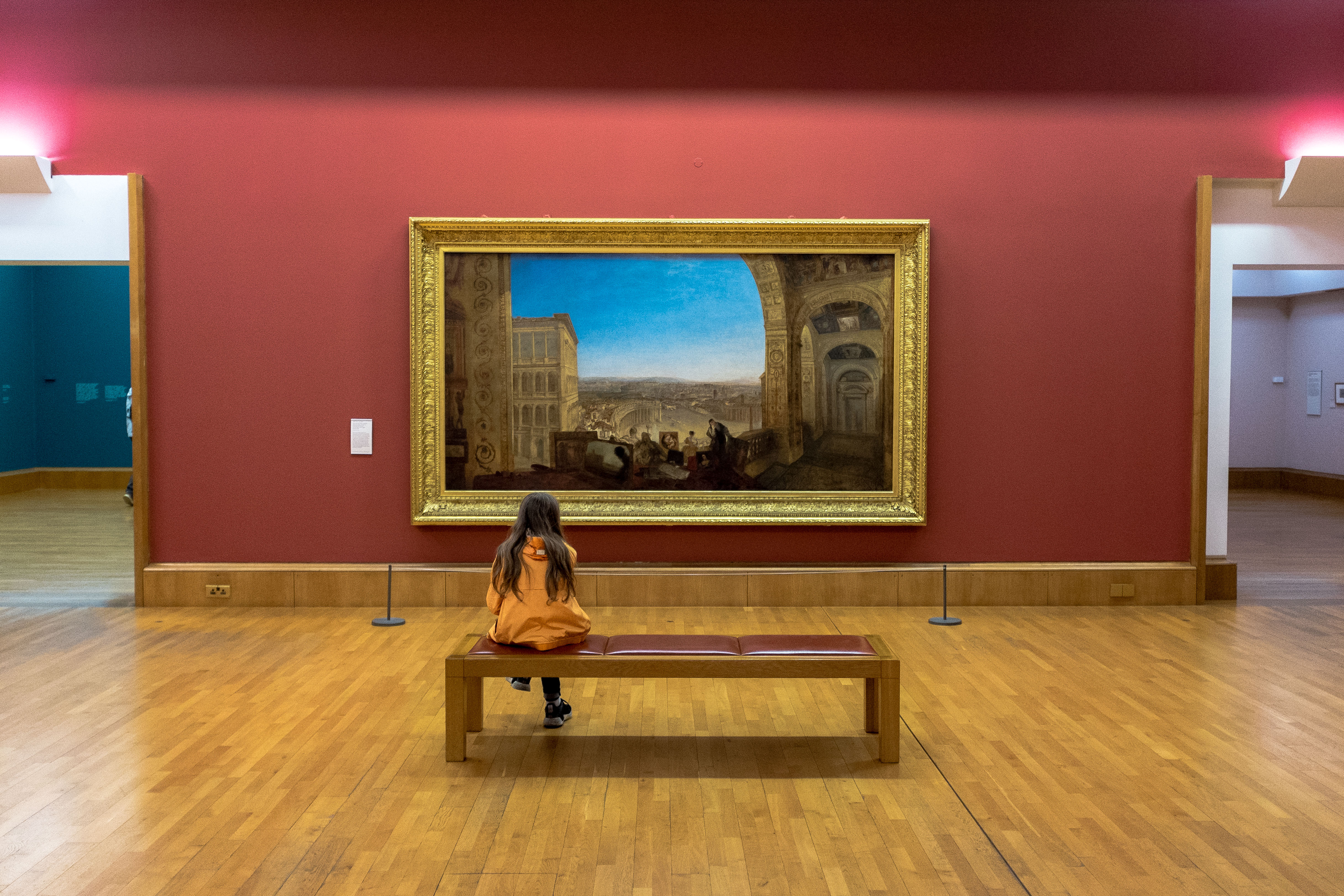
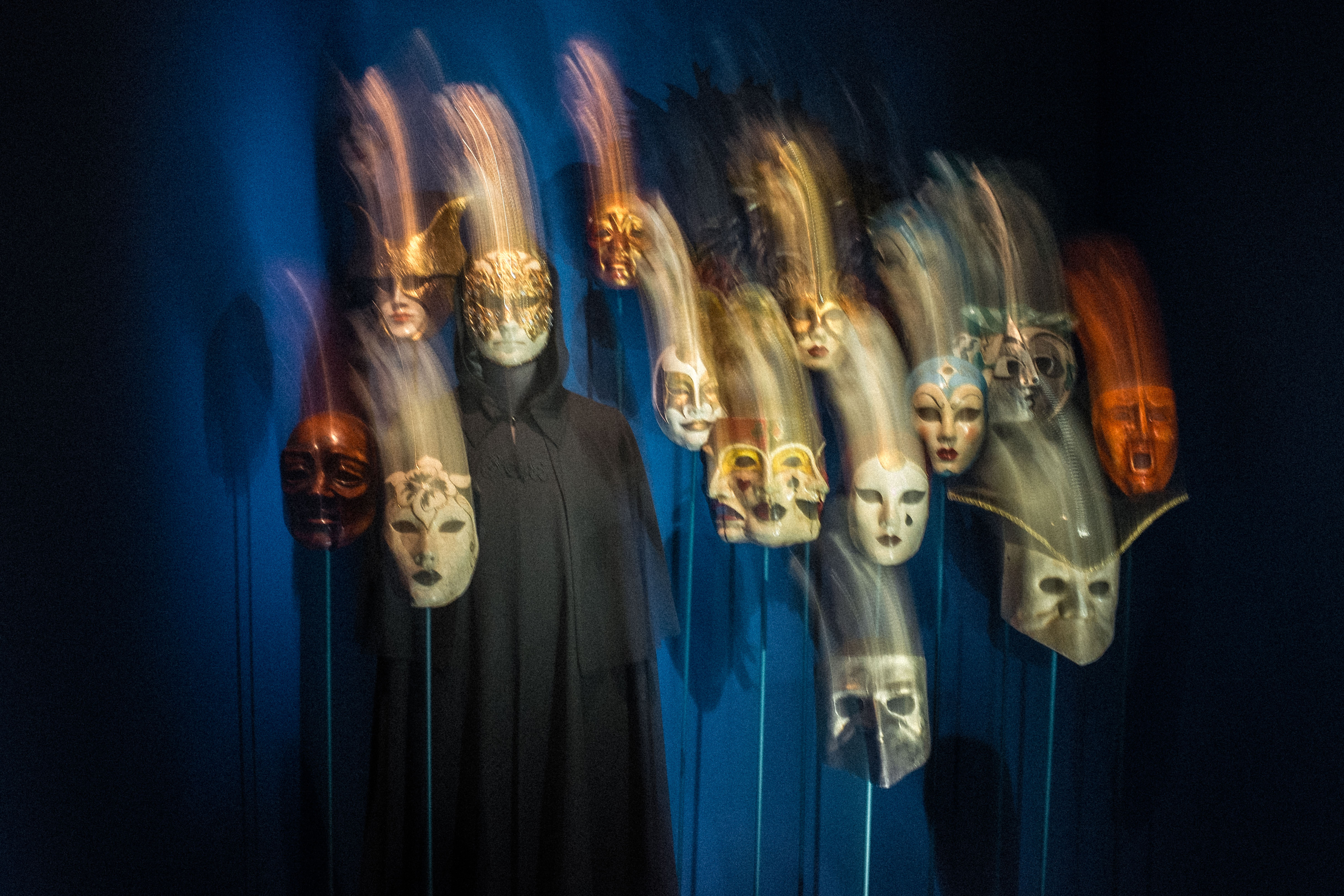
An ex convinced me of my misplaced beliefs in a series of harsh, factual examples. I was told that what I was searching for was a concept rather than an actual place. I had, for ages it seems, pre-formed ideas of what a specific city should feel and look like. This, I was told, was done so that I could avoid encountering disappointment. Sadly, in most cities, this has become ‘instant-practice’. It’s easy for our imaginations to get the better of us. There’s even a name for it in France, ‘Paris syndrome’ and it ‘is a condition exhibited by some individuals when visiting or going on vacation to Paris, as a result of extreme shock at discovering that Paris is different from their expectations’. The opposite also exists in travel, it’s called Stendhal’s Syndrome, and ‘it’s is a psychosomatic condition involving rapid heartbeat, dizziness, fainting, confusion and even hallucinations, allegedly occurring when individuals become exposed to objects or phenomena of great beauty’. And while Stendhal’s Syndrome isn’t necessarily ‘inherently’ associated with travel, more the specifically the city of Florence, let’s choose to believe that we, as human beings, do seem to better appreciate beauty when it is found or experienced amidst the unknown.
But what am I getting to ?
I used to hold on the historically, possibly anecdotally informed presentation of cities. Paris was bohemian. London, business. New York, raw and sketchy. Prague, somber and mysterious, the list and stereotypes go on…
I’ve since been to these cities and, with the exception of Prague, which is an upcoming post, few if any of these cities really ever seemed to be as I envisioned them. How could they be?
My image of a city, any large one, is one slowly constructed, manipulated and projected from a variety of sources ranging from the ancient to the old and very rarely informed by the new. Since we can all relate to a growing up in hometown that has altered, expanded or simply died (See Cornwall,Ont.), why do we then so often believe it possible that a large cosmopolitan city would ever stay frozen within the confines of its long documented history? Add to this both the flawed abstraction that is an individual’s personal narrative and a selective understanding of that said place and what you have is an Invisible City. A Concept. A pre-conceived notion of time and place doomed to fail you as a visitor.
So what’s happening?
I was reading John Berger recently, and he believes that the ever rampant “culture of capitalism abandons its claim to be a culture and becomes nothing more than Instant-Practice”. In short, if everyone is trying to accommodate the largest possible target audience, the culture of that city, village or area will rapidly dwindle to conform to the largest common denominator. As locals all attempt to access more wealth, the culture that initially drew its travelling audience becomes altered, diluted and eventually disappears. That means Cheeseburgers and milkshakes instead of local cuisine. Cover Bands of American classics instead foreign hits and shopping malls with quick fashion (H&M, Gap, etc) instead of the hall and marketplaces once rampant in all functional urban social spaces.

Likewise, as traveling becomes more widespread and accessible, (International tourist arrivals surpassed the milestone of 1 billion tourists globally for the first time in 2012) so does the influence of ‘practicality and ease’. Now, there is nothing wrong with either of these concepts that, by themselves, needs be of critique. It is certainly pleasant to travel and find a version of your favourite food in a foreign country. The problem is when you try to find that exact food in that foreign country and openly search and ask for it. If we can accept that most of us travel to experience the unknown or simply, the lesser known, why then do many of us, while travelling, eat at ‘fast food chain’ restaurants at least once, specifically in these cities, where food once seduced travellers into their midst from far and wide?
(Insert Imagined Image of your favourite Ethnic dish here)
The answer isn’t a simple one. In an era where food allergies range from simple lactose intolerance to ‘Nightshade vegetables’, the opportunity to indulge in a fast food meal while in a foreign country, cheaply and without allergic reaction, is a seductive one. When you choose to eat at Mcdonald’s or Burger King, you enter the premises with the belief that you know exactly what you are getting in advance. And yes, while processed meats and preservative filled breads may be off-putting, so too is missing the opera or concert due to a unplanned allergic reaction. Better safe than sorry is the banal platitude here and it makes sense. On a personal level. However, the idea of a local business is also real and choices can be made to make sure they continue to be, like using those aforementioned websites to look at a menu. Talking to people and asking for a local Vegan or Vegetarian also can’t hurt. That bumper sticker you see with the words ‘Support Local’ hasn’t been slapped on without reason…
How does this actually play out in the bigger picture?
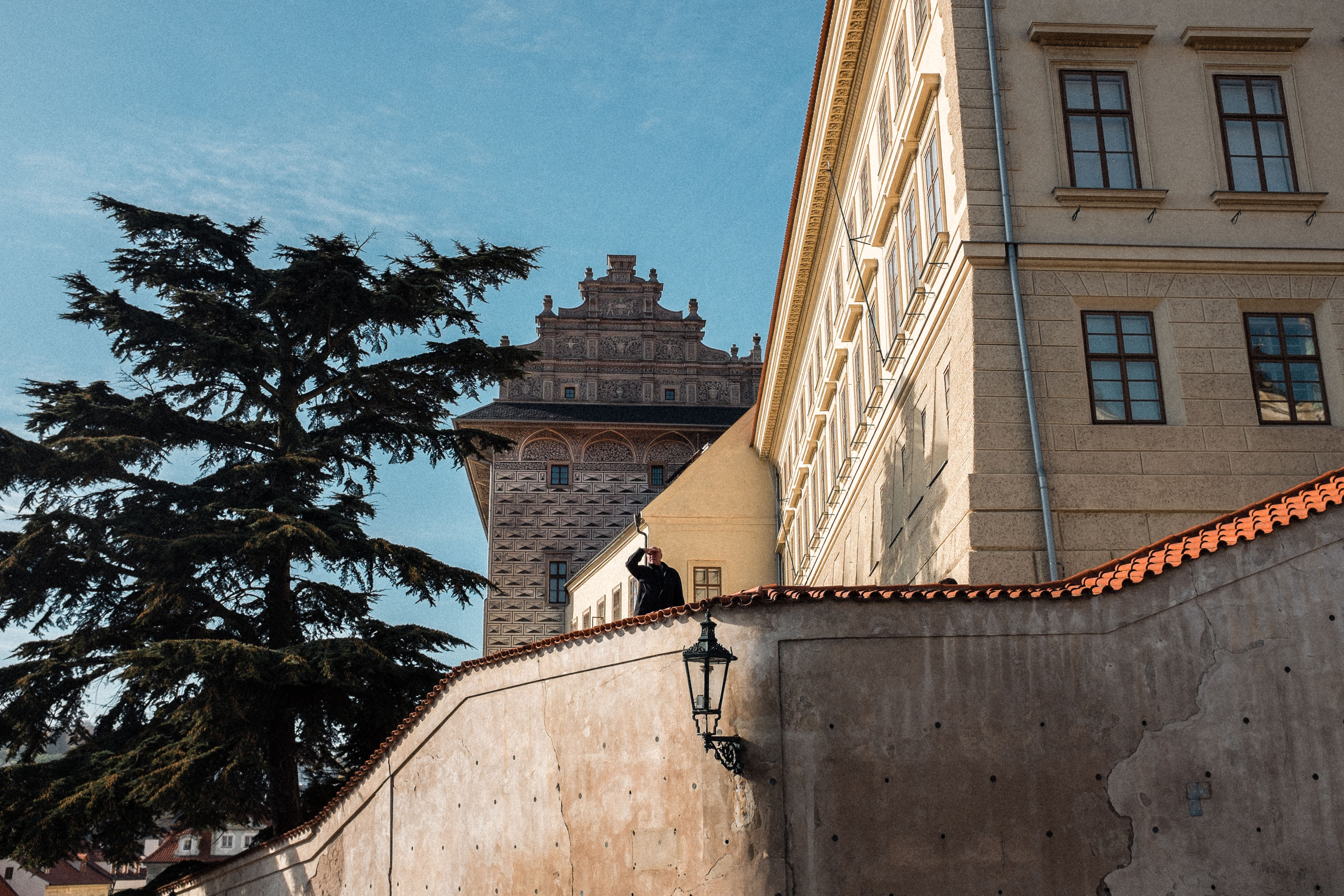
When I was in Barcelona, a local resident explained that they were having a hard time finding hairdressers and grocery stores. All of the key central locations had been bought or gone out of business in order to support its massive tourist industry. This resident cohesively said, ‘short-term travellers usually don’t need a haircut, but they’re always looking for a place to stay or a place to eat’.
Though Barcelona consists of an impressive 1.6 million people, over 20 million tourists visit the city every year, that’s roughly 1.6 million tourists a month, which means that means at any given time the city’s population is mirrored by its tourist population. As a result, a sort of large scale airport industry emerges where cheap, one time experiences out-purpose the need of a long term clientele. Consequently, there’s no need for quality control in most venues as the Barcelona business concept can strive and even expand in an environment where repeat customers are expendable. As an Owner’s primary audience consists of a travelling clientele, those restaurants and stores aimed at and solely dependent on tourists can allow the quality of their product to drop as a cost cutting measure. They sell cheaply and often, making profit on quantity rather than quality. In turn, due to the competitive nature of the market, this then forces local businesses, those trying to cater to both the traveler and the local, to either cut into their profit margins, change their menu, or simply buy cheaper alternative products and produce in order to be more competitive. All in all, this means the Fast food chains, the safe not entirely unpleasant bet, can strive in their consistent mediocrity. The tourist traps and the local businesses get overlooked and the safe bet prevails.
To overlook TripAdvisor or Culture Trip entirely is to do these websites an injustice. Of course they allow people to discover and visit new and altogether satisfying places, but as we all know, once any restaurant hits a top ten list, most of them become a somewhat unpleasant crowded place to visit; surely beautiful tiny spaces teeming with droves of eager, hangry travellers lose a bit of their charm. Add a one hour wait and the unknown, un-researched place next door becomes a viable alternative. An alternative, that all too often we communally settle on and support, when it would have been best left unsupported.
The importance here is not simple awareness or shame. It is the importance of Conscious Choice. Your money. Your power. Travelling used to be reserved for the rich. Now it isn’t. But we all have a budget and how we choose to spend that budget will decide the structure and content of cities for generations to come and it isn’t too late to try and support what you want to see when you travel in order that your children, or simply the next generation can see something similar in the future. When we travel, we influence that cultural landscape and the more conscious we become of our buying power, the better we can shape, influence or simply support the things we love. That quirky Cat museum in Amsterdam, that restaurant Dacicky in Kutna Hora with the amazing unpasteurised beer and leg of lamb or that Floating bookstore in Venice. By choosing to visit the local, the quirky, the independent and spending that extra dollar, you choose to allow its doors to stay open another day. A day your friends and fellow travellers will most likely welcome with open arms.
Post Script
It’s very hipster to think that things used to be better. Please do not get the impression that I am in anyway trying to romanticize or glorify some sort of golden age of travel. Travel has always been, in my eyes, socially and historically connected with the accumulation of goods. I recently came across a segment on Robert Ripley, of Ripley’s Believe or Not fame. Do you remember that show ? Anyways, as I watched, I discovered that while Mr. Ripley loved to travel and was truly fascinated by the surreal, odd and unworldly, he never bothered to learn a foreign language and stubbornly refused to follow the customs of the ‘exotic’ tribes and cultures he encountered. He liked to travel because he encountered foreign objects and trinkets and may or may not have even included human beings in the same category. Forever taking, buying and swindling whenever the fancy took him, he made a living selling the idea of the other to people that couldn’t afford to travel abroad.
Likewise, Marco Polo is described in Wikepedia as ‘an Italian[2][3] merchant, explorer’, note that he is described as a merchant first, explorer second and though Columbus is in fact initially noted as an ‘Italian explorer’, it is well known that his most famous trip consisted of a failed attempt to secure a faster, more efficient trade route to the far east. (As for my Wikipedia sources, I acknowledge that it may not be the best source of information, but please note that the large majority of us get key facts from this crowd sourced Encyclopedia and its influence cannot be underestimated).
Questions worth developing below:
Has travel always been based in the consumption or sale of goods?
Are we just fooling ourselves in the absorption of the nomadic Aesthetic?
Does documented experience, the gif in front of the waterfall, the selfie at sunset now figure as the desired object?
Are these images being consumed through social media and dating apps the way objects used to in another era?
In closing, I think Pessoa said it best:
‘Travel? One need only exist to travel. I go from day to day, as from station to station, in the train of my body or my destiny, leaning out over the streets and squares, over people’s faces and gestures, always the same and always different, just like scenery.
If I imagine, I see. What more do I do when I travel? Only extreme poverty of the imagination justifies having to travel to feel.
“Any road, this simple Entepfuhl road, will lead you to the end of the World.” [Thomas Carlyle] But the end of the world, when we go around it full circle, is the same Entepfuhl from which we started out. The end of the world, like the beginning, is in fact our concept of the world. It is in us that the scenery is scenic. If I imagine it, I create it; if I create it, it exists; if it exists, then I see it like any other scenery. So why travel? In Madrid, Berlin, Persia, China, and at the North or South Pole, where would I be but in myself, and in my particular type of sensations?
Life is what we make of it. Travel is the traveler. What we see isn’t what we see but what we are.’ (The Book Of Disquiet)

 describing space