Date traveled: October 26-30, 2017
I thought I knew more about Stockholm than anywhere else in Northern Europe. Lots of hockey players are from Sweden, and I figured it’d be the biggest city of the North. Neither of those things were wrong, but what I sort of realized after is that I thought I knew more about Stockholm because it probably has the closest ties to American/Western culture.

I was surprised at the extent to which American culture was idealized. Marketing is done in a way to both a) signal to American culture and b) portray a hyper-romanticized version of that culture. I guess I knew American culture is globally influential, but living and breathing in its pervasive reach was unsettling.
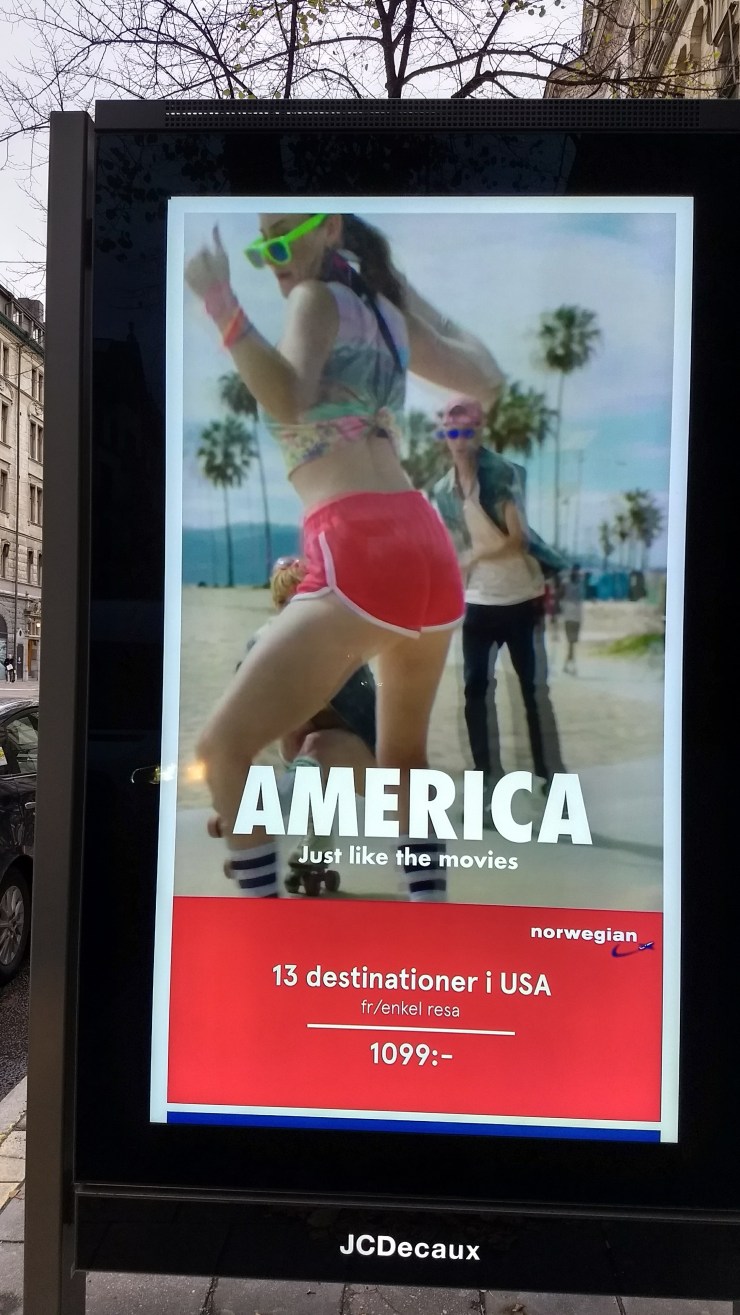
That obsession with an insincere representation of Americana provides a pretty good example of the general impression I got from Stockholm over four days: a shallowness and a posturing to appear posh. People dressed in a sleek style and an abundance of make-up was very noticeable (as opposed to Copenhagen where those things seemed to lack).
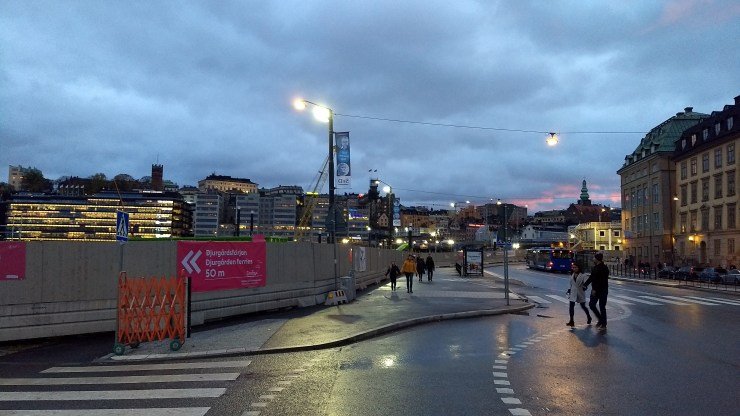
We couldn’t find a neighborhood that seemed completely ‘real’, so it’s tough for me to speculate if this is only true in certain parts, but we put a lot of effort into going to different areas that were more residential or trendy or less touristy (we stayed in Sodermalm, where residents go out and less so tourists), and I didn’t notice much of a difference. We’ve since heard a few comments about Swedes being ‘unfriendly’ or ‘cold’, and it’s not like all interactions I had were unpleasant, but I can’t disagree with those adjectives from what I’ve experienced.
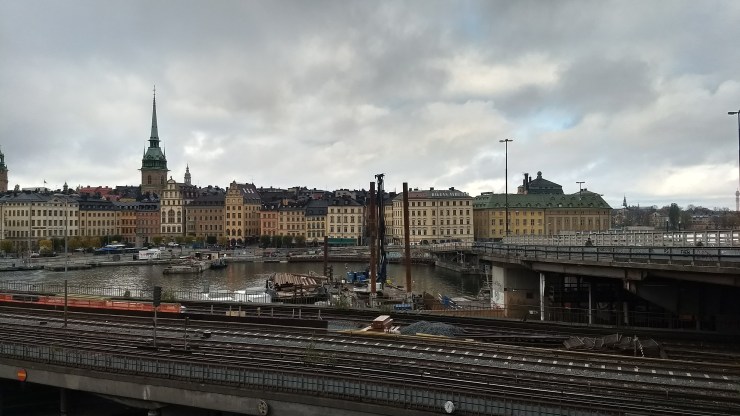
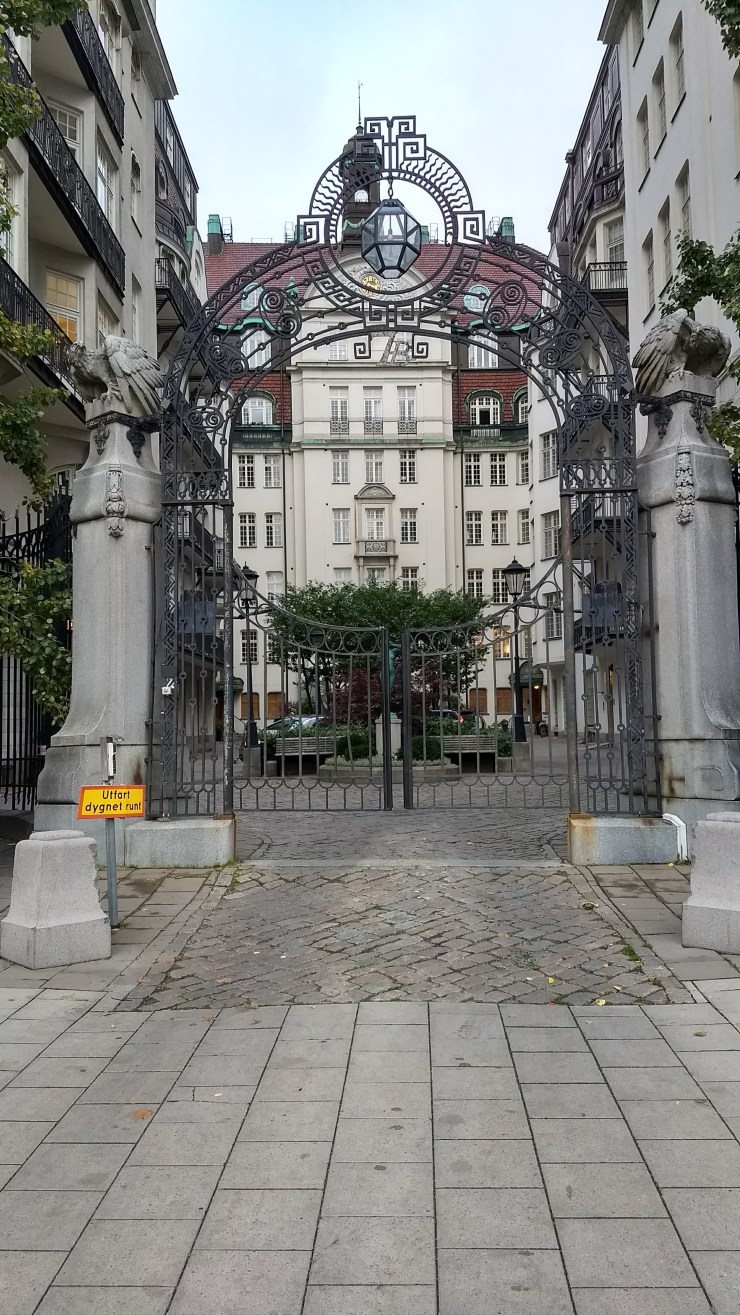
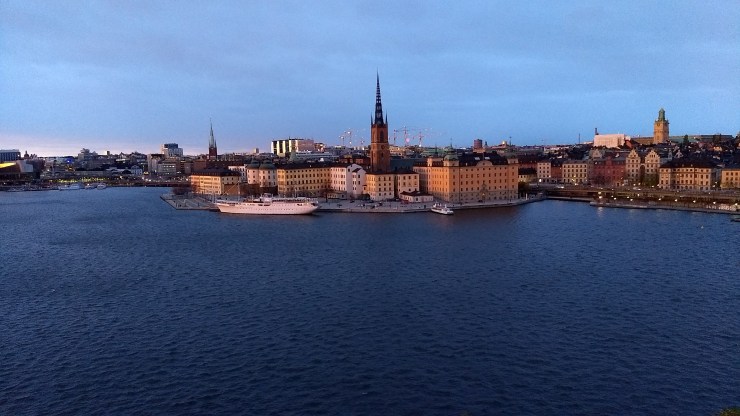
Looking at my pictures, there were a lot of pretty scenes. Like much of Europe, it has places with cobblestone, it has castles, it has water, it has parks. I didn’t find it ugly by any means: it was something that pictures don’t capture, at least pictures from an exceedingly amateur photographer with a cell phone camera.
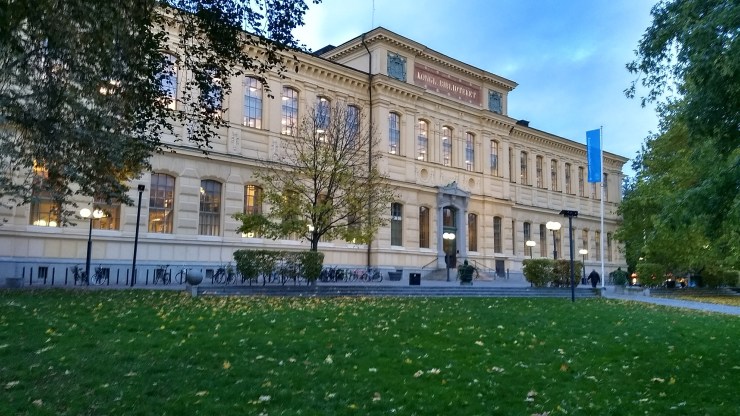
Normally when I travel places, my least favourite part is the neighbourhood that seems designed for tourists. In this case, Gamla stan, the starting point of Stockholm in the mid-1200s, was one of my preferred places in the city. We had to walk through it to get to the airbnb from the train station (which we also had to take to the airport), and even though some of those times the small streets were crowded, I enjoyed the stones, the winding turns, the narrow alley stairs.
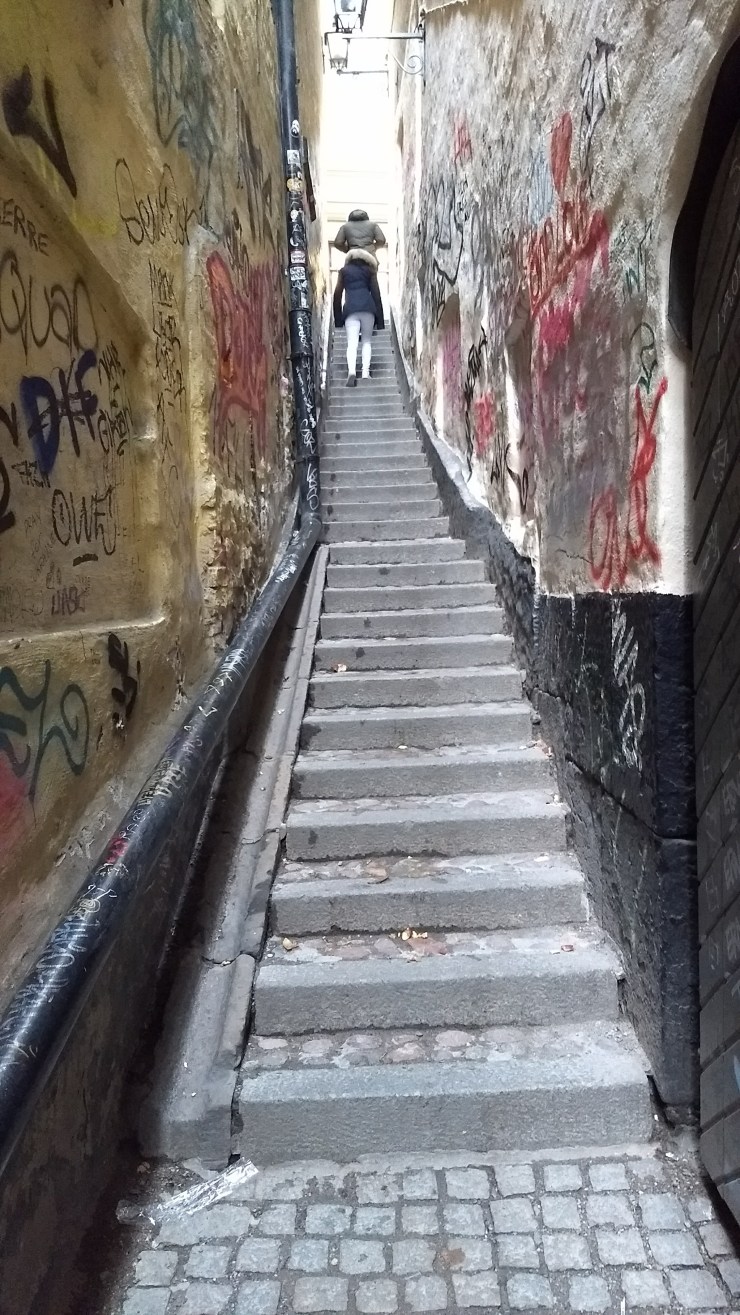
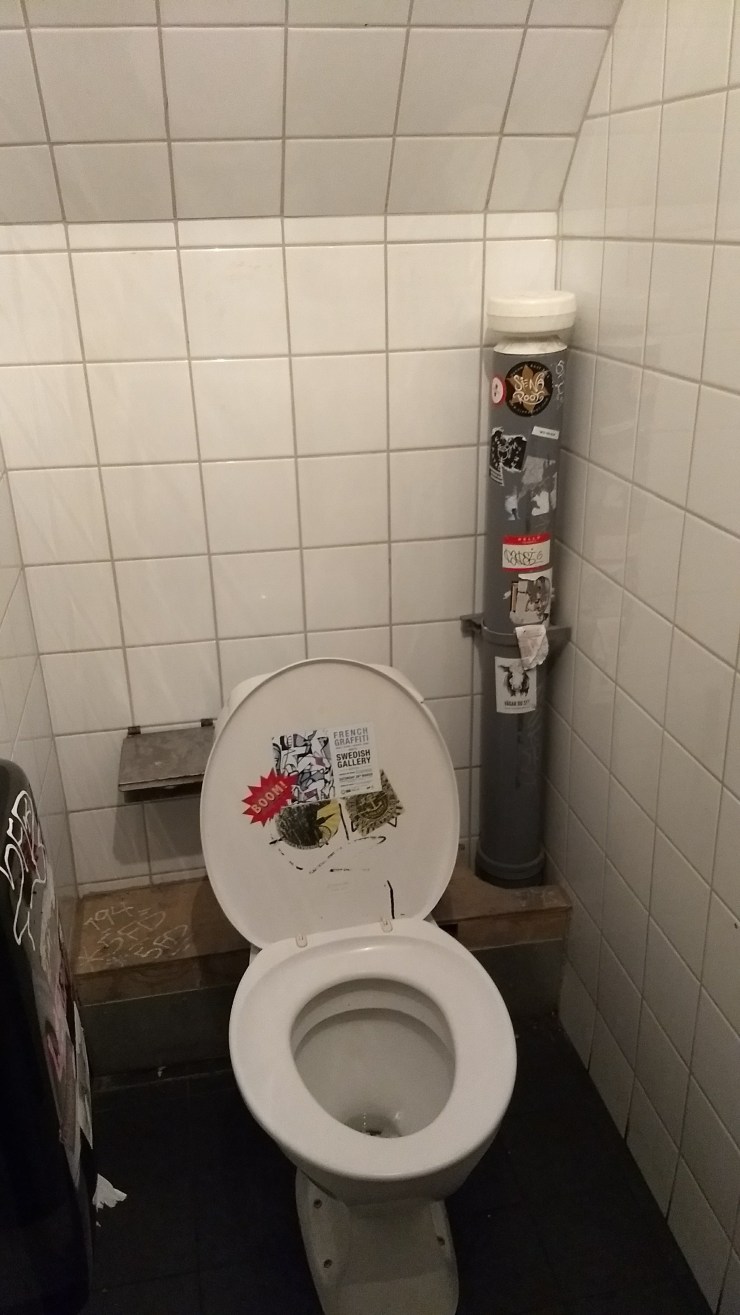
On my last night there, we went to an ex-pat pub there, and although I generally try to avoid places when traveling that seem designed to make me comfortable, that night I was thankful to be somewhere I felt like I knew what was going on. I drank IPAs and didn’t feel guilty talking English and even got a couple candid toilet photos.
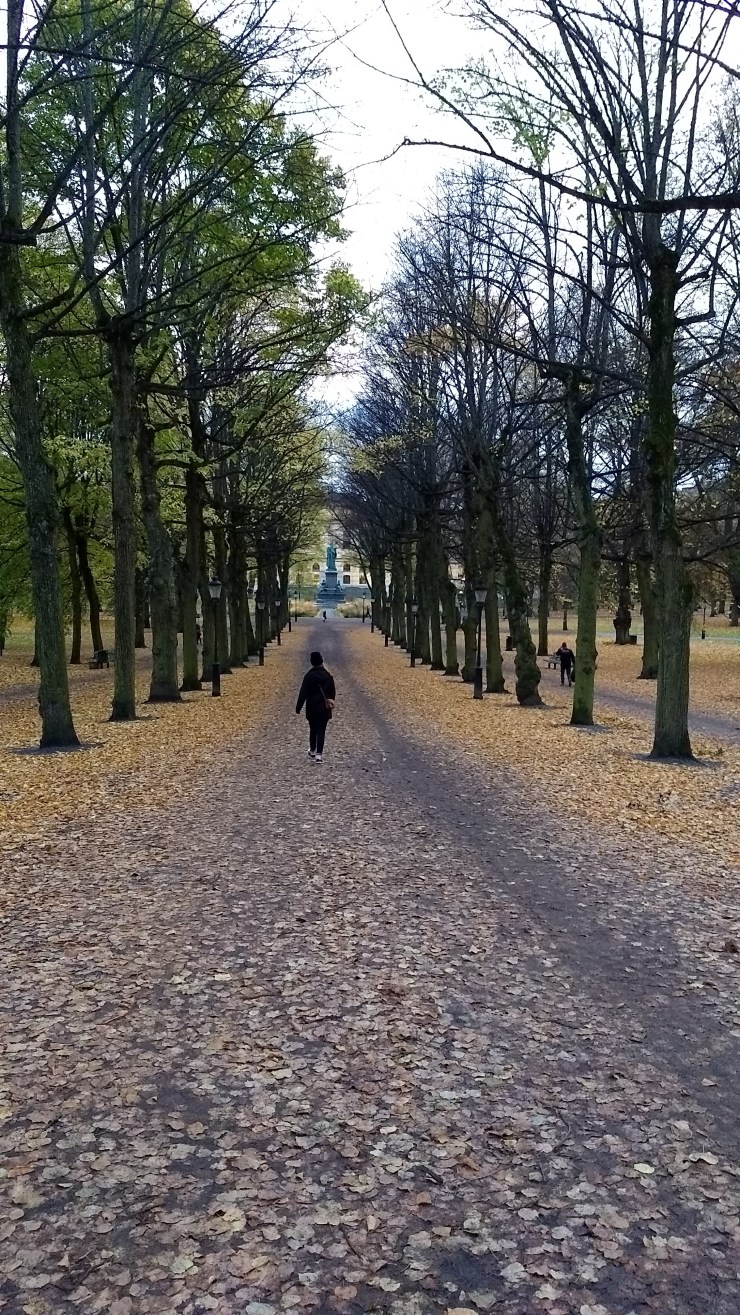
One of the days we also went on a long walk, which I think is the best way to see an unknown city. Big cities tend to have different flavours depending on which part of them you’re in, so covering a lot of grand I find is the best way to get a more comprehensive view of what it feels like.
I’m left feeling kind of jaded about Stockholm. It wasn’t ugly or anything, but I wasn’t left wanting more, other than the hope to change my mind about the city. There are some things worth seeing, and the transit system is a marvel, but when it comes to the feeling of being present in a place, I found it lacking: it seemed like a lot of places vacuumed into a non-place, with myriad ways you can spend money an consume, without actually experiencing anything ‘meaningful’, only appearing to do so.
I found myself re-speculating that large cities are becoming increasingly similar as neoliberalism continues to swell. The ironic thing about it is I’ve always associated Sweden with a more progressive social welfare system, an while some social policies may hold true to that association, capitalism is firing on all cylinders in Stockholm as much as anywhere I’ve been.
 describing space