Date traveled: Oct 21-25, 2017
Copenhagen seemed very livable. That’s perhaps not what you’d expect to be the opening sentence from someone about to give an ecstatic endorsement of a city, but I mean that as the highest compliment.
It would be a great city to live in.
I knew almost nothing about the place a week before I went, and the first thing I noticed is that bikes are everywhere. When you see ‘no parking’ signs, they mean bikes. There are more bikes than people.
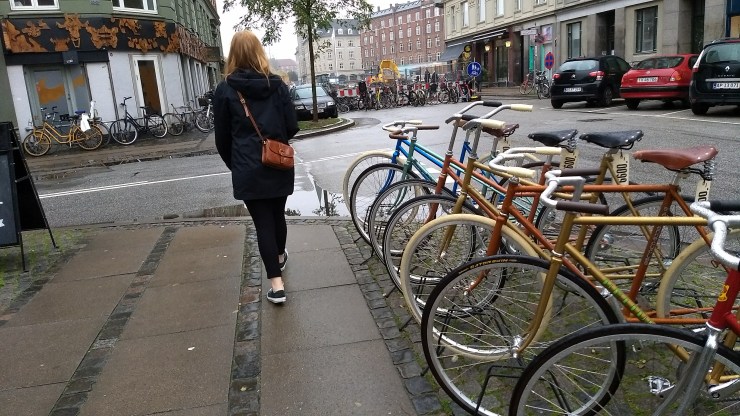
Most aren’t locked, even downtown. They often carry boxes in front of them to carry objects or children, and lots have child’s seats on the back. There are lots of children in general.
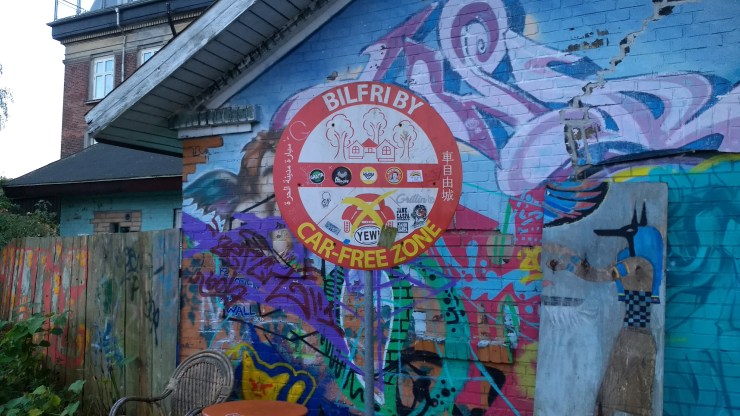
The bikes with the wooden boxes in front are Christiania bikes, which is a community in the middle of Copenhagen on an old navy base. In the early 70s, young squatters moved in to occupy the space, and eventually they were left alone to build their own society there. The 1971 mission statement reads
The objective of Christiania is to create a self-governing society whereby each and every individual holds themselves responsible over the wellbeing of the entire community. Our society is to be economically self-sustaining and, as such, our aspiration is to be steadfast in our conviction that psychological and physical destitution can be averted.
Apparently the space was first ‘invaded’ by neighboring locals who wanted a playground for their children. It had been out of use for about five years, since the military moved out. So the buildings and other materials in the area were reused to build up a functioning, anti-society society, where people could govern themselves and smoke pot without police interference.
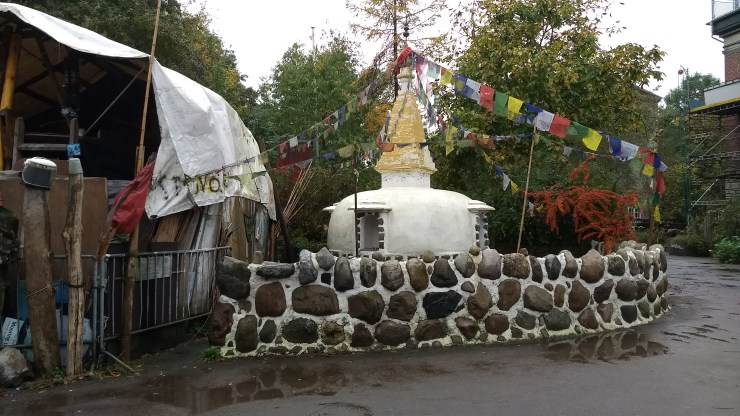
Aside from their name-sake bikes, which are very popular throughout Copenhagen, the main thing that Christiania is known for is its pot trade. On the aptly-named Pusher Street, which is only about a block inside the community’s boundary, and near a main Copenhagen road, there are dozens of marijuana and hash stands. At one point the stands were all owned by locals, but at some point big business moved in, as it tends to.

Behind the main town, which isn’t more than a handful of winding blocks, is a forest with some trails. In this forest many of the residents have their homes.
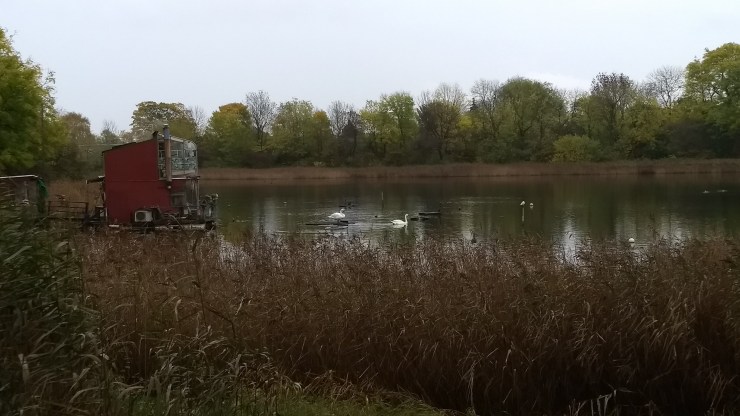
Christiania was only the first day, but the beauty of that experience – physically, psychologically, politically, ideologically, etc. – imprinted the trip that was about to come over the next two weeks in Denmark, Sweden, Norway, and Ireland.
I expected weather like northern Canada, but year-round it’s actually a lot like Vancouver Island, just slightly chillier and with less sun. The general dreariness of the atmosphere – more wet wind than rain, when it rained – lent itself to an attitude I can best describe as easy-going: people seemed friendly without being gregarious, and I don’t think I witnessed an unpleasant interaction amongst anyone over 3.5 days. They seemed comfortable.
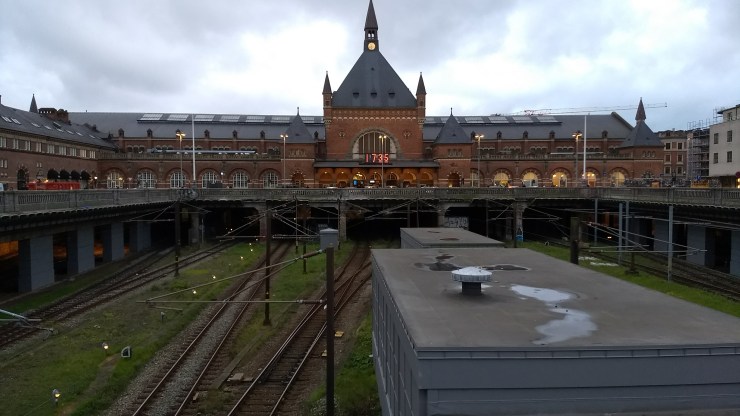
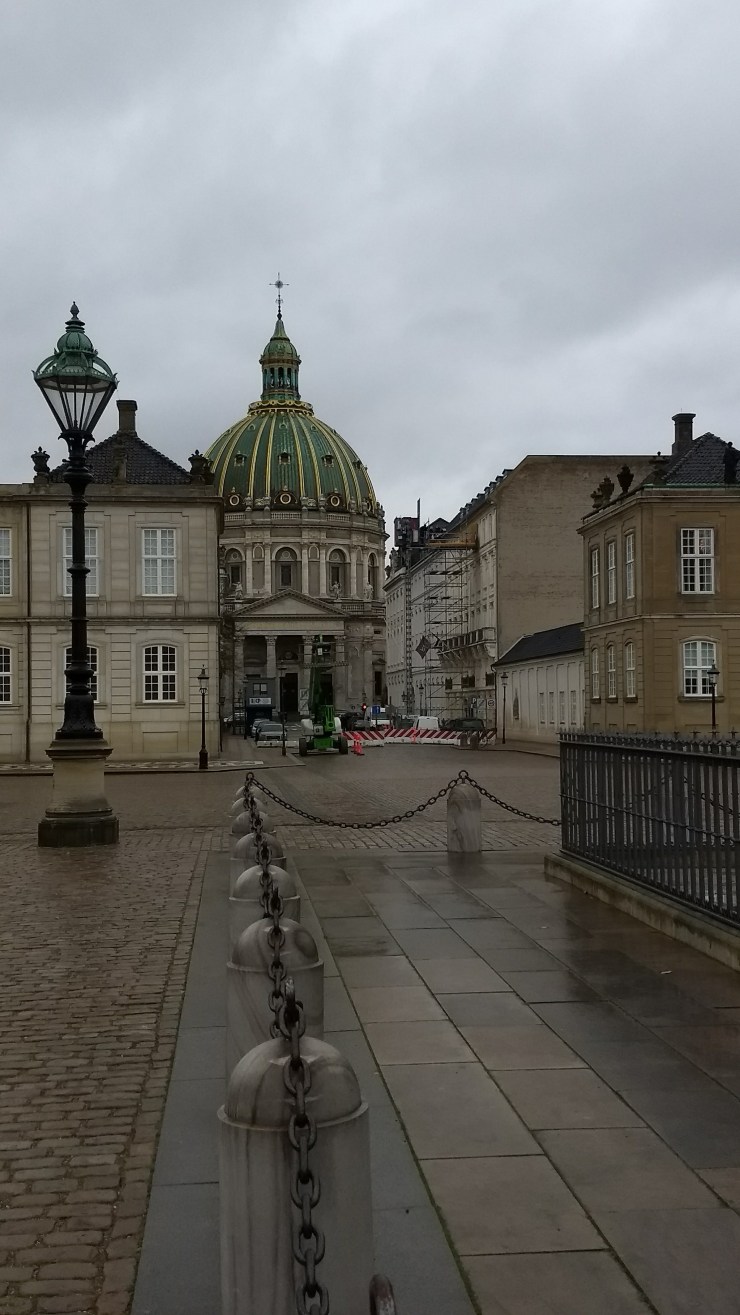
From the little I know about Europe, I saw buildings/layouts that looked like Eastern, Western, and Northern European architecture (which makes sense, given its spot on the continent). This has become a theme when I travel, that I don’t really have a lot of language to describe the intricacies of what I see. There were castles, and block-long housing and apartment complexes, probably which used to be castle-like and then roads were built around them. Like most of Europe does, it reminded me most of Montreal in the North American context.
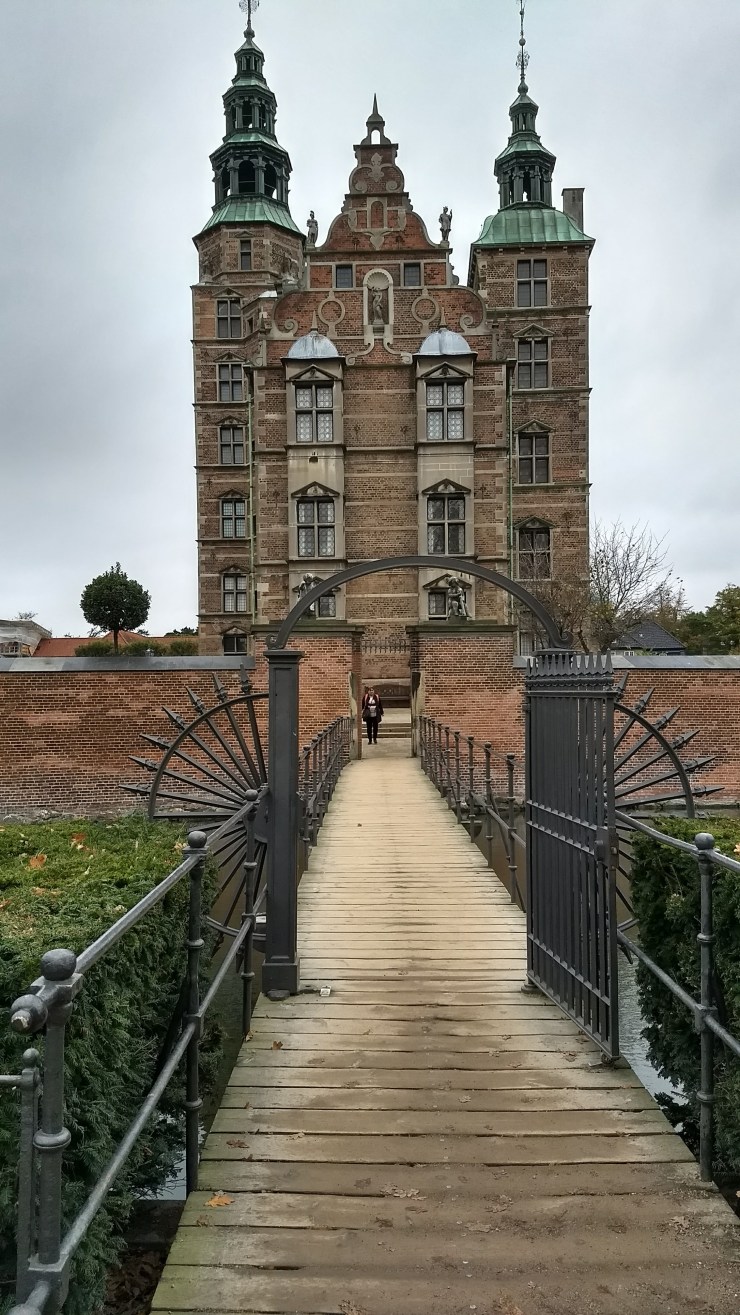
There’s something about brick and cobblestone that gets my nostalgia radar churning. Maybe if I had the attention span to walk around more museums I’d have some facts to relay about when the walls were fortified and what royalty died in which building, and the relative fame of the brick-layers from the 13th century, but sadly all we have are my cell phone pictures and memories of me gawking that we aren’t in Canada anymore.
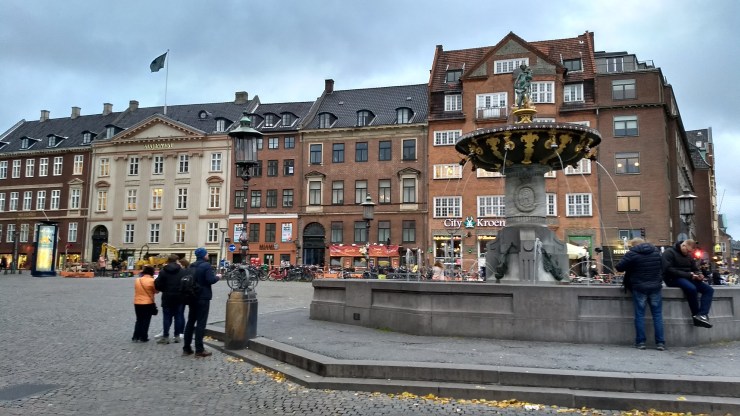
I’m not a big shopper – I’m much more aligned with the Christiania anti-capitalism vibe – but we did spend time on the longest pedestrian street in the world, and we did buy things. I got a great deal on a toque for under $10 CAD, and even though it was absolutely made in China, it doubles as a souvenir and something that I actually needed, the best international purchasing experience.
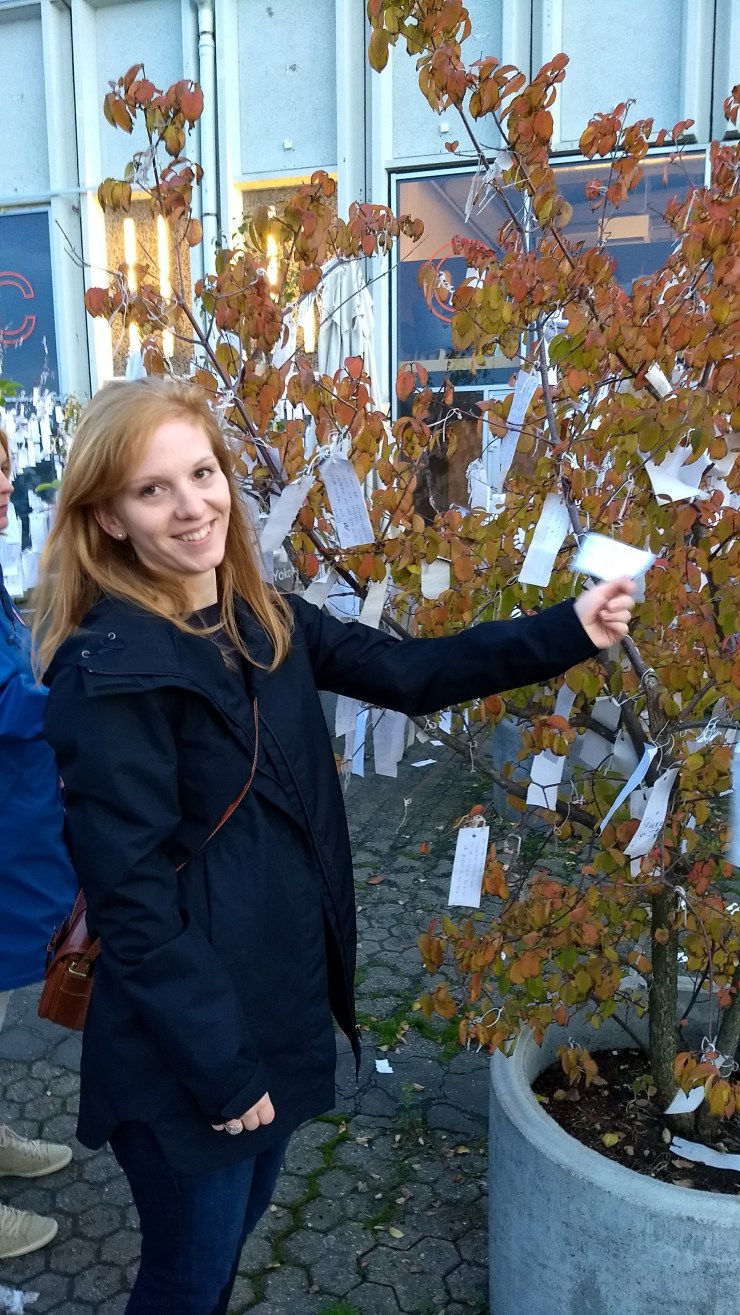
Between Christiania and the long pedestrian shopping area is Paper Island, which, at the time, had a giant food market of street food. Outside the food court were their bare trees with paper leaves that had wishes written on them.
Shortly after we visited the food market, it closed down. Even if I wanted to relive the Copenhagen experience I had, the places I went have already drastically changed.
Another thing that is likely to change is indoor smoking. I’m not a big smoker, but I can hardly remember a time when indoor smoking was allowed in Canada. I remember as a young kid, smoking and non-smoking areas in restaurants. I never experienced bars with smoking in them, only patios for a few years into my early 20s, and on those patios in the summer on Elgin Street is where when I coughed back the majority of my smokes.
So when we heard that some bars allowed smoking, we found a seedy-looking bar a couple blocks from where we were staying and indulged.
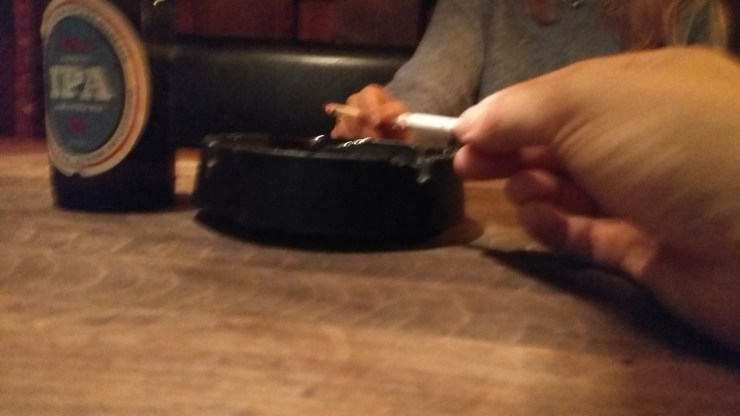
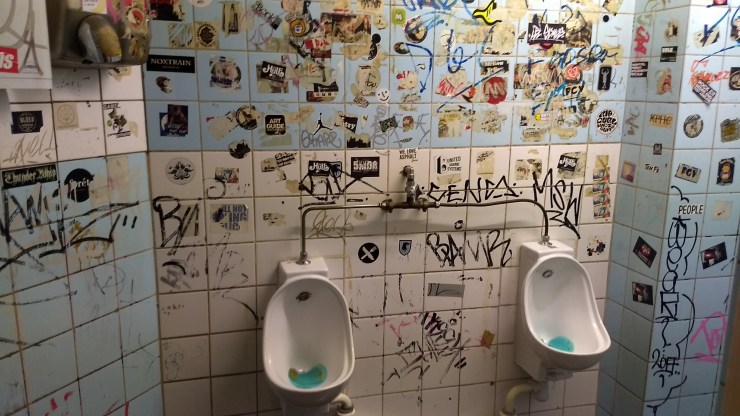
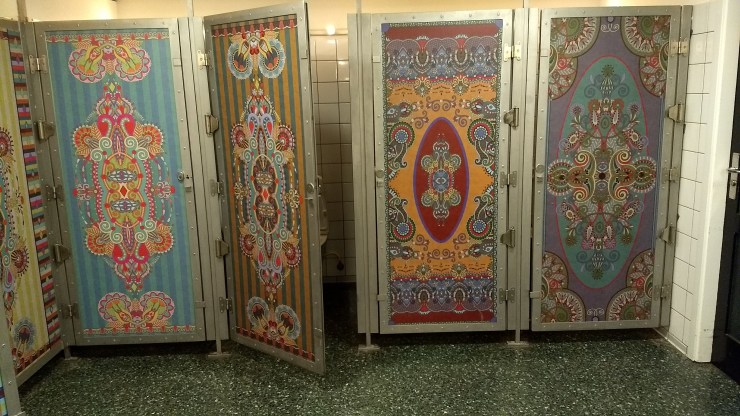
My favourite thing about this bar was a lot of things. First, we had searched for the famous local bars that had indoor smoking, but when we got to them, they were absolutely packed. So we settled for something that didn’t have an internet presence (that we knew of) and quickly realized that this was probably more what it’s actually like at local bars there. The walls were completely covered in beer labels, and there were pool tables not being used and vending machines that cranked out Marlboros. And the bathroom made me pleased that I’ve had a low-key bathroom-photographing project going on for the past few years.
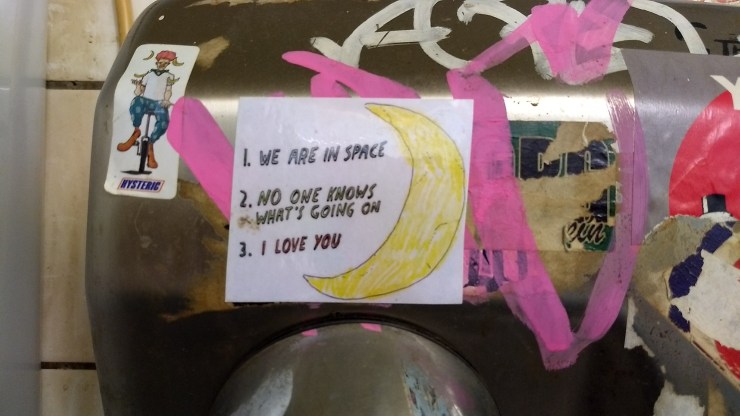
One of the touristy things we did do was check out Tivoli gardens, which is one of the oldest (second oldest?) active amusement park in the world. We didn’t go on any rides – I don’t care if the rollercoaster was built over 100 years ago, I’m still worried it’ll collapse the one time that I’m on it – and we waited until our last night, so we didn’t have a choice but to go when it was raining.
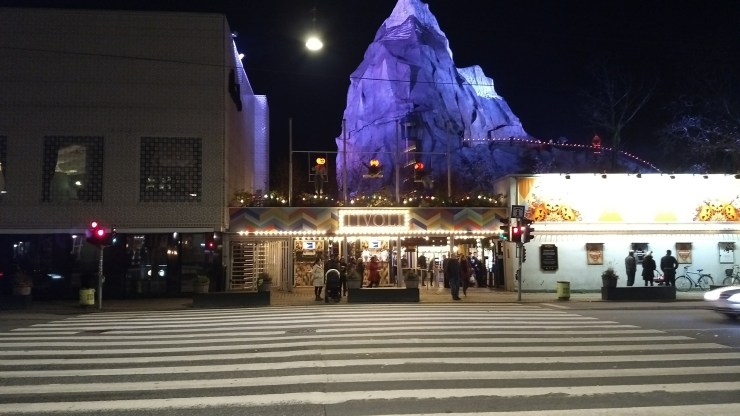
But, it did have cotton candy and cool bathrooms, though very different from the ones in the seedy bar.
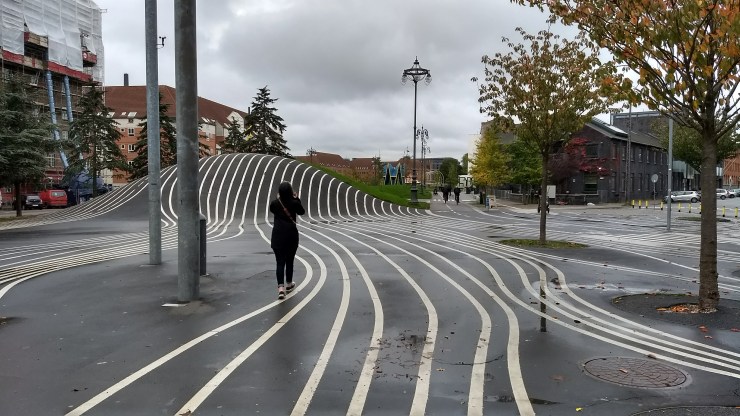
There was also a park that has things from around the world called Superkilen in a neighbourhood called Norreboro (quick shout-out to Vesterbro, the neighbourhood where we stayed). There were giant swings, a gazebo, trash bins, etc., all from different places, joined in the same space.
It’s interesting to think what makes a place: if you bring objects that are all foreign and plop them together, are you still in Copenhagen, or someplace that isn’t really anywhere?
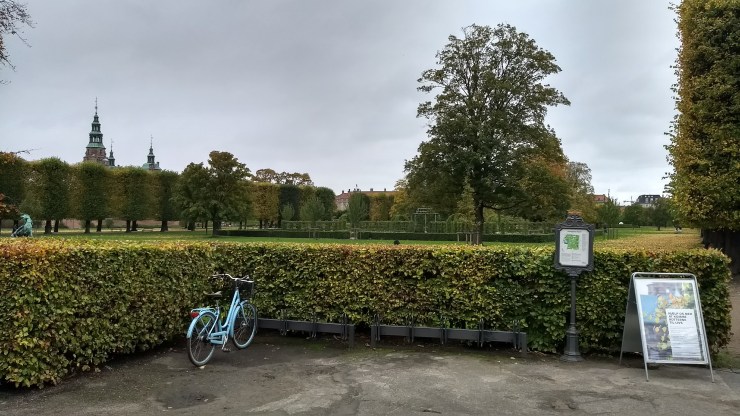
The city isn’t built on a grid (there’s lots of angles), they don’t really have drip coffee, and we saw only two places that sold ‘danishes’. Everyone could speak English, which made it a lot easier to navigate, but other than in the hyper-touristy shopping area we heard almost all Danish. It felt like somewhere quite different while having enough familiarity that it wasn’t overwhelming.
So far, out of the places I’ve been outside of Canada, it’s the one one I’d be tempted to live.
 describing space
Great post 😁
LikeLike
Great photos! Thanks for sharing!
LikeLike